
Best furniture for small spaces sets the stage for this enthralling narrative, offering readers a glimpse into a story that is rich in detail with casual formal language style and brimming with originality from the outset.
As we delve into the world of compact living, we explore the innovative solutions and creative designs that can transform small spaces into functional and stylish areas.
Best Furniture for Small Spaces
When it comes to furnishing small spaces, choosing the right furniture is essential to maximize functionality and optimize the available area. Multi-functional pieces can be a game-changer in compact rooms, offering versatility and efficiency in design.
Examples of Multi-functional Furniture
Multi-functional furniture is a great option for small spaces as it can serve more than one purpose, helping you make the most out of limited square footage.
- A sofa bed: This versatile piece can act as a comfortable seating area during the day and transform into a bed for overnight guests.
- Storage ottomans: Ottomans that double as storage units provide a place to sit as well as a hidden space to keep your belongings.
- Fold-down tables: These tables can be folded down when not in use, saving valuable floor space in small dining or work areas.
Importance of Storage Solutions
Storage solutions are crucial in small living areas to keep clutter at bay and maintain a sense of organization. Furniture with built-in storage compartments or shelves can help you keep your space tidy and functional.
Furniture Pieces with Dual Purposes
Choosing furniture pieces that can serve dual purposes is key in small rooms. Look for items like a Murphy bed that can fold up into the wall when not in use, or a coffee table with extendable top for dining or working.
Benefits of Modular Furniture
Modular furniture offers flexibility and adaptability, allowing you to customize your space according to your needs. Pieces like modular shelving units or sectional sofas can be rearranged to fit different layouts, making them ideal for small spaces.
Home Inspections
Before purchasing furniture for small spaces, it is essential to conduct thorough home inspections to ensure that the pieces you choose will fit and function well within your living space.
Assessing Room Layout and Dimensions
When assessing the layout and dimensions of a room for furniture placement, consider important factors such as:
- Measurements of the room, including ceiling height, doorways, and any architectural features that may affect furniture placement.
- The traffic flow within the room to ensure that there is enough space for movement and that furniture will not obstruct pathways.
- The location of windows and natural light sources to optimize furniture placement for both aesthetics and functionality.
Common Issues Found During Home Inspections
During home inspections, common issues that may impact furniture choices include:
- Uneven flooring or sloped ceilings that may limit the placement of certain types of furniture.
- Inadequate electrical outlets or lighting fixtures that may require specific furniture arrangements to accommodate.
- Low clearance areas such as bulkheads or beams that may restrict the height of furniture pieces.
Determining Best Furniture Styles
Home inspections play a crucial role in determining the best furniture styles for specific spaces by:
- Identifying the overall design aesthetic of the home, whether it be modern, traditional, or eclectic, to select furniture pieces that complement the existing decor.
- Taking into account the scale and proportion of furniture in relation to the room size to ensure that pieces fit harmoniously without overwhelming the space.
- Considering multifunctional furniture options such as storage beds or extendable dining tables to maximize space in small rooms.
Kitchen Improvements
When it comes to maximizing kitchen space in small areas, choosing the right furniture is key. Efficient furniture choices can help create a functional and organized kitchen even in limited spaces.
Role of Kitchen Islands or Bar Stools
Adding a kitchen island or bar stools can serve multiple purposes in a small kitchen. Not only do they provide extra counter space for meal preparation, but they also offer seating options for dining or entertaining guests.
- Kitchen islands with built-in storage can help keep clutter at bay and maximize space utilization.
- Bar stools can be tucked under the island or counter when not in use, saving valuable floor space.
- Opt for compact and sleek designs to prevent overcrowding in the kitchen area.
Selecting Compact Dining Sets
Choosing the right dining set for a small kitchen involves considering both size and functionality. Compact dining sets are ideal for maximizing space while still providing a comfortable dining experience.
- Look for folding or drop-leaf tables that can be expanded when needed and folded away to save space.
- Consider stackable chairs or benches that can be easily stored when not in use.
- Opt for light-colored furniture to create an illusion of more space in the kitchen.
Benefits of Built-in Storage Solutions
Integrated storage solutions in small kitchen furniture can help keep the space organized and clutter-free. Built-in storage options offer convenient ways to store kitchen essentials without sacrificing valuable space.
- Choose furniture pieces with hidden compartments or drawers to store utensils, cookware, and other kitchen items.
- Utilize vertical storage with shelves or cabinets to maximize space efficiency.
- Customize furniture to fit specific storage needs and optimize kitchen functionality.
Home Improvement and Furniture
When it comes to home improvement projects, selecting the right furniture for small spaces is crucial to maximize both functionality and aesthetics. The relationship between home improvement and furniture selection is essential for creating a cohesive and harmonious living space.
Incorporating Furniture into Home Renovation Plans
- Consider multi-functional furniture pieces such as sofa beds, storage ottomans, or extendable dining tables to optimize space in small rooms.
- Choose furniture that complements the overall design and color scheme of the room to create a cohesive look.
- Customize built-in furniture solutions to fit the specific dimensions of your space, allowing for a seamless integration with the rest of the room.
Enhancing Aesthetics with Furniture Choices
- Use furniture as a focal point in a room to add visual interest and create a sense of balance in the space.
- Incorporate furniture with unique textures, materials, or finishes to add depth and personality to the room’s design.
- Experiment with different furniture layouts to find the most visually appealing arrangement that maximizes space and functionality.
Coordinating Furniture Styles with Home Improvement Themes
- Match modern furniture pieces with contemporary home improvement themes to create a sleek and minimalist look.
- Pair vintage or rustic furniture with traditional home improvement styles to add warmth and character to the space.
- Mix and match different furniture styles to create an eclectic and personalized design that reflects your unique taste and personality.
Flooring
When it comes to furnishing small spaces, the choice of flooring can have a significant impact on the overall look and feel of the room. Coordinating the flooring with the furniture is essential to create a cohesive and visually appealing space. Here are some tips and considerations to keep in mind when selecting flooring for small spaces and choosing furniture to complement it.
Impact of Flooring Choices
- Hardwood floors: Hardwood floors are a popular choice for small spaces as they can make a room feel larger and more open. They also provide a timeless and elegant look that can work well with a variety of furniture styles.
- Laminate flooring: Laminate flooring is a budget-friendly option that comes in a wide range of colors and styles. It can mimic the look of hardwood or tile, allowing you to achieve the desired aesthetic without breaking the bank.
- Carpet: Carpeting can add warmth and comfort to a small space, making it feel cozy and inviting. However, it’s essential to choose a low-pile carpet to prevent the room from feeling crowded or cramped.
Coordinating Furniture with Flooring
- Matching colors: Consider the color of the flooring when selecting furniture to ensure a harmonious color palette. Light-colored furniture can complement dark floors, while dark furniture can create a striking contrast with light floors.
- Material compatibility: Choose furniture materials that complement the texture of the flooring. For example, pairing a plush rug with a velvet sofa can create a luxurious and inviting space.
Choosing Area Rugs
- Size and placement: Opt for area rugs that are proportionate to the size of the room and the furniture arrangement. A rug that is too large can overwhelm the space, while a rug that is too small can make the room feel disjointed.
- Pattern and design: Select area rugs with patterns or designs that complement the overall style of the room. Geometric patterns can add a modern touch, while floral or abstract designs can introduce a pop of color and personality.
Flooring Materials for Space-Saving Furniture
- Tile flooring: Tile flooring is durable and easy to clean, making it an ideal choice for small spaces with multifunctional furniture. It can withstand the weight and movement of space-saving pieces without showing signs of wear and tear.
- Vinyl flooring: Vinyl flooring is versatile and budget-friendly, offering a wide range of styles that can complement different types of space-saving furniture. It is also resistant to moisture, making it suitable for areas like kitchens and bathrooms.
Furniture
When it comes to furnishing small spaces, it is essential to choose pieces that are not only functional but also visually appealing. In this section, we will explore different types of furniture suitable for compact living areas and discuss innovative design ideas to maximize space.
Comparing and Contrasting Furniture Types
- Multi-functional furniture pieces like sofa beds, storage ottomans, and nesting tables are ideal for small spaces as they serve dual purposes without taking up extra room.
- Space-saving furniture such as wall-mounted desks, foldable chairs, and extendable dining tables are great options for maximizing space utilization in compact areas.
- Choosing furniture with slim profiles and clean lines can create an illusion of more space, while bulky and oversized pieces can make a room feel cramped.
Innovative Furniture Design Ideas
- Opt for modular furniture systems that can be customized and rearranged to adapt to changing needs and spatial constraints.
- Consider furniture with built-in storage solutions like hidden compartments, pull-out drawers, and shelving units to keep clutter at bay and maximize storage space.
- Explore furniture designs that incorporate transparent materials like glass and acrylic to maintain an open and airy feel in small rooms.
Furniture Layout for Creating Spaciousness
- Strategic placement of furniture can help create flow and visual balance in a small room. Avoid blocking pathways and ensure there is enough space to move around comfortably.
- Utilize vertical space by opting for tall bookshelves, wall-mounted cabinets, and floating shelves to draw the eye upward and make the room feel taller.
- Experiment with different furniture arrangements to find the optimal layout that maximizes space and enhances the functionality of the room.
Recommendations for Easy-to-Move Furniture
- Invest in lightweight furniture pieces made from materials like aluminum, rattan, or plastic that are easy to lift and reposition as needed.
- Consider furniture on wheels or casters for added mobility, such as rolling carts, portable kitchen islands, and swivel chairs that can be moved around with ease.
- Opt for modular seating options like ottomans, poufs, and floor cushions that can be easily rearranged to accommodate different seating arrangements and activities.
Green Living
Living sustainably in small spaces goes beyond just furniture choices. It involves making eco-friendly decisions that benefit the environment. When it comes to furniture, selecting pieces made from environmentally friendly materials is key.
Benefits of Eco-Friendly Furniture
- Reduced Carbon Footprint: Eco-friendly furniture is often made from sustainable materials that require less energy to produce, reducing carbon emissions.
- Healthier Home Environment: These furniture pieces are typically free from harmful chemicals and toxins, promoting better indoor air quality.
- Longevity and Durability: Green furniture is designed to last longer, reducing the need for frequent replacements and ultimately reducing waste.
Examples of Eco-Friendly Furniture
Some examples of furniture pieces that promote energy efficiency and eco-consciousness include:
- Bamboo Furniture: Bamboo is a rapidly renewable resource that is strong, durable, and sustainable.
- Recycled Plastic Furniture: Furniture made from recycled plastic helps reduce plastic waste and promotes recycling.
- FSC-Certified Wood Furniture: Furniture made from wood certified by the Forest Stewardship Council ensures responsible forest management practices.
Interior Design and Decorating
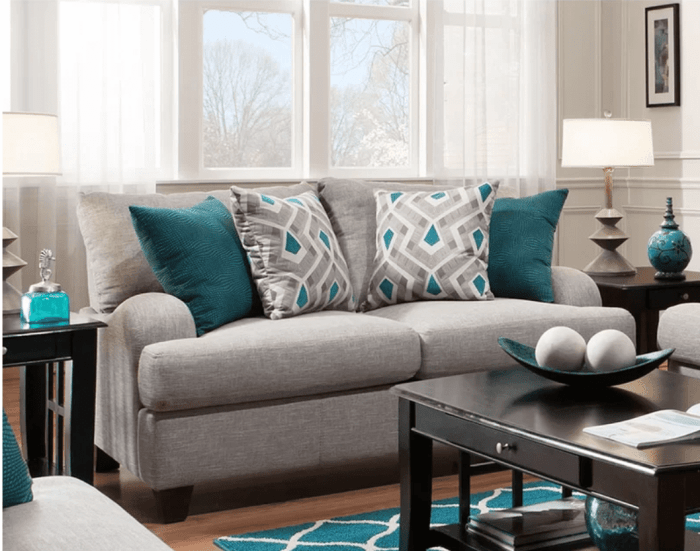
When it comes to furnishing small spaces, interior design principles play a crucial role in ensuring functionality, comfort, and visual appeal. By understanding how to maximize space and create a cohesive look, you can transform even the tiniest room into a stylish and inviting space.
Influence of Interior Design Principles on Furniture Selection
Interior design principles such as scale, proportion, and balance greatly influence furniture selection for small spaces. Opting for multi-functional pieces, such as a storage ottoman that can double as a coffee table, can help maximize space without sacrificing style.
Tips for Creating a Cohesive Look
- Choose furniture pieces that complement each other in terms of style, color, and scale to create a cohesive look.
- Consider the flow of the room and ensure that furniture placement allows for easy movement and accessibility.
- Incorporate decor elements like rugs, throw pillows, and artwork to tie the room together and add personality.
Role of Color Schemes and Lighting
Color schemes and lighting play a vital role in enhancing small space furniture arrangements. Lighter colors can make a room feel more spacious, while strategic lighting can create ambiance and highlight key design elements.
Achieving a Visually Appealing Design with Limited Space
- Utilize vertical space by incorporating wall-mounted shelves or hanging plants to draw the eye upward and create the illusion of height.
- Opt for furniture with exposed legs to create a sense of openness and lightness in the room.
- Choose a focal point, such as a statement piece of furniture or a vibrant accent wall, to anchor the design and add visual interest.
Bath and Shower
When it comes to choosing furniture for bathrooms with limited square footage, it is essential to prioritize space-saving options that maximize functionality without sacrificing style. Storage solutions play a crucial role in small bathroom furniture, helping to keep the space organized and clutter-free. Selecting moisture-resistant materials is key to ensuring the durability of bathroom furniture in a high humidity environment.
Additionally, incorporating dual-purpose furniture can help optimize the use of space in a small bathroom design.
Choosing Space-Saving Furniture
When selecting furniture for a small bathroom, opt for pieces that serve multiple functions or can be easily tucked away when not in use. Wall-mounted cabinets, floating shelves, and compact vanities are great space-saving options that provide storage without taking up valuable floor space.
Importance of Storage Solutions
Storage solutions are essential in small bathrooms to keep essentials organized and easily accessible. Consider furniture with built-in shelves, drawers, or hidden compartments to maximize storage space without cluttering the room. Utilizing vertical space with tall cabinets or over-the-toilet storage can also help make the most of a small bathroom layout.
Selecting Moisture-Resistant Materials
Choosing moisture-resistant materials like teak, bamboo, or marine-grade plywood is crucial for bathroom furniture durability. These materials are less prone to warping or mold growth in humid environments, ensuring that your bathroom furniture stays in top condition for years to come.
Advantages of Dual-Purpose Furniture
Dual-purpose furniture, such as a vanity with built-in storage or a mirrored medicine cabinet, can serve multiple functions in a small bathroom design. Not only does this type of furniture save space, but it also adds functionality and style to the room. Look for pieces that offer both storage and practical use to make the most of limited bathroom space.
House Plans
When it comes to furnishing small spaces, the layout and dimensions of the house plan play a crucial role in determining the furniture selection. Understanding the house plan can help in optimizing the available space and creating a functional and aesthetically pleasing interior design.
Influence of House Plans on Furniture Selection
House plans provide a blueprint of the layout and dimensions of each room, guiding the placement and selection of furniture. Here are some tips on adapting furniture choices to fit specific room layouts in house plans:
- Take accurate measurements of the rooms to ensure that the furniture fits comfortably without overcrowding the space.
- Consider the flow of traffic within the room and place furniture in a way that allows for easy movement.
- Choose multipurpose furniture pieces that can serve dual functions to maximize space utilization.
Importance of Scale and Proportion
Scale and proportion are essential factors to consider when selecting furniture for different rooms in a house. It is important to maintain a balance in the size of furniture pieces to create a harmonious and visually appealing space. Here are some examples of how to customize furniture arrangements based on house plan dimensions:
- For a small living room, opt for a compact sofa and armchairs to avoid overpowering the space.
- In a bedroom with limited floor area, choose a platform bed with built-in storage to save space.
- In a dining area, consider a drop-leaf table that can be expanded when needed and folded when not in use.
Feng Shui
Feng Shui is an ancient Chinese practice that focuses on creating harmony and balance in living spaces to promote positive energy flow. When it comes to furniture placement in small spaces, following Feng Shui principles can help optimize the use of space while enhancing the overall energy in the room.
Furniture Arrangement for Positive Energy Flow
- Avoid placing furniture directly in line with the door, as this can disrupt the flow of energy entering the room.
- Ensure there is enough space between furniture pieces to allow for easy movement and to prevent energy blockages.
- Position the main piece of furniture, such as the sofa or bed, against a solid wall for stability and support.
Optimizing Space with Feng Shui
- Choose furniture with rounded edges instead of sharp corners to create a more inviting and harmonious environment.
- Use mirrors strategically to reflect light and create the illusion of more space, following Feng Shui guidelines for placement.
- Consider multifunctional furniture pieces that serve dual purposes to maximize space and maintain a balanced energy flow in the room.
Examples of Feng Shui-Approved Furniture Arrangements
- Placing a small dining table in the center of the room with chairs arranged in a circular pattern to promote social interaction and unity.
- Creating a cozy reading nook by positioning a comfortable chair near a window with a small side table for books and a lamp for optimal lighting.
- Arranging a compact desk against a wall with a vision board above it to inspire creativity and productivity in a home office space.
Heating and Air Conditioning
When it comes to small spaces, the selection and placement of furniture can significantly impact the efficiency of heating and air conditioning systems. Proper positioning of furniture is crucial to ensure optimal airflow, ventilation, and overall comfort in a limited space.
Maximizing Heating and Cooling Efficiency
- Place furniture away from vents: Ensure that furniture pieces are not blocking air vents to allow for proper air circulation and distribution throughout the room.
- Utilize space-saving furniture: Opt for compact furniture that does not obstruct the flow of air from heating and cooling units, such as wall-mounted shelves or slimline chairs.
- Strategic placement: Arrange furniture in a way that promotes efficient airflow, such as keeping sofas away from radiators to prevent heat blockage.
Importance of Ventilation and Airflow
- Allow space for air circulation: Avoid overcrowding the room with furniture to maintain good ventilation and airflow, which is essential for a healthy indoor environment.
- Consider ceiling fans: Use ceiling fans to help distribute air evenly and improve overall air circulation, especially in rooms with limited space for other ventilation options.
- Use furniture with open designs: Opt for furniture with open backs or legs to allow air to flow freely around the room, enhancing the effectiveness of heating and cooling systems.
Enhancing Comfort and Energy Efficiency
- Choose multi-functional furniture: Select pieces that can serve dual purposes, such as a storage ottoman that also acts as a seating option, to maximize space and comfort in small areas.
- Opt for light-colored upholstery: Lighter fabrics and materials on furniture can help reflect heat and light, keeping the room cooler in warmer months and reducing the need for excessive air conditioning.
- Use area rugs: Place area rugs strategically to help insulate the floor and maintain warmth, especially in rooms with hardwood or tile flooring that can get cold easily.
From maximizing storage to incorporating eco-friendly choices, the journey of finding the best furniture for small spaces is one filled with endless possibilities for creating a harmonious and efficient living environment.
FAQ Summary
How can I make the most of limited space in a small room?
Consider furniture pieces with dual purposes, such as storage ottomans or sofa beds, to optimize space efficiently.
What are some tips for selecting the right furniture for a small living area?
Look for multi-functional pieces that can serve more than one purpose and consider modular furniture for flexible arrangements.
Is it essential to coordinate furniture styles with home improvement themes?
Yes, harmonizing furniture styles with the overall design theme can enhance the aesthetic appeal of the space.


