
Best flooring for basements sets the stage for this enthralling narrative, offering readers a glimpse into a story that is rich in detail and brimming with originality. From comparing different options to discussing maintenance requirements, this guide covers it all.
Best Flooring for Basements
When it comes to choosing flooring for basements, it is crucial to consider factors such as moisture, temperature, and durability. The right flooring can help prevent issues like mold and mildew while also providing a comfortable and functional space.
Types of Basement Flooring Options
- Carpet: Provides warmth and comfort but can be prone to mold and mildew in damp basements.
- Vinyl: Water-resistant and durable, making it a popular choice for basements.
- Laminate: Easy to install and maintain, but may not be suitable for areas with high moisture.
- Tile: Resistant to moisture and easy to clean, but can be cold underfoot.
- Epoxy: Extremely durable and resistant to moisture, ideal for high-traffic basements.
Tips for Selecting the Most Suitable Flooring
- Consider the basement’s moisture levels and choose a flooring material that can withstand it.
- Take into account the temperature fluctuations in the basement and select a flooring option that can handle it.
- Think about the intended use of the space and choose a flooring material that meets those needs.
Durability and Maintenance Requirements
- Carpet may require regular cleaning and maintenance to prevent mold growth.
- Vinyl and laminate are durable options that are easy to maintain and clean.
- Tile is a long-lasting choice that requires minimal maintenance but may need resealing over time.
- Epoxy is highly durable and low-maintenance, making it a great option for busy basements.
Home Inspections
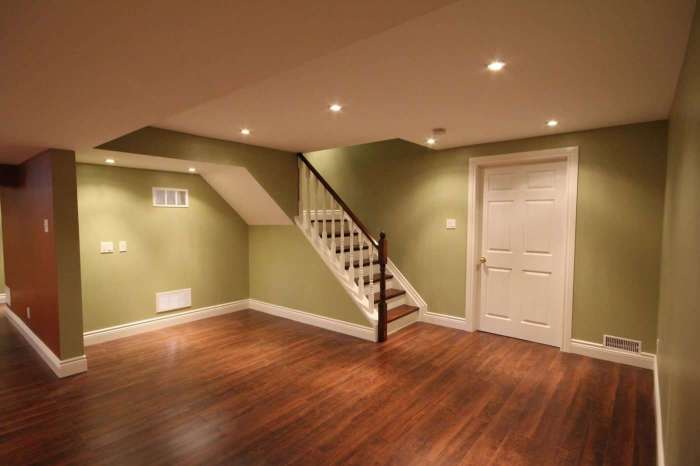
When conducting a home inspection, it is crucial to pay special attention to the condition of the basement flooring. The state of the basement flooring can reveal underlying issues that may affect the overall value and safety of the property.
Checklist for Inspecting Basement Flooring
- Look for signs of water damage, such as mold, mildew, or discoloration.
- Inspect for cracks or uneven surfaces that could indicate foundation issues.
- Check for warping or buckling in wood flooring, which may be a sign of moisture problems.
- Ensure proper insulation and moisture barriers are in place to prevent damage from moisture seepage.
- Test for soundness and stability by walking around the basement to detect any soft spots or creaking.
Impact on Home Value
Issues with basement flooring can significantly impact the overall value of a home. Potential buyers may be deterred by the presence of water damage, cracks, or other flooring problems, leading to decreased property value and difficulty in selling the house.
Common Problems and Solutions
- Water damage: Address the source of moisture and consider waterproofing solutions to prevent further damage.
- Cracks: Fill in cracks with epoxy or consider replacing the flooring to ensure structural integrity.
- Mold and mildew: Clean affected areas thoroughly and improve ventilation to prevent future growth.
- Uneven surfaces: Level the flooring or consider installing a new floor to create a safe and even surface.
Kitchen Improvements
When considering kitchen improvements in conjunction with basement flooring choices, it’s important to create a seamless transition between the two spaces. The flooring in both areas should complement each other to achieve a cohesive look throughout the home.
Complementing Kitchen Improvements with Basement Flooring
- Choose a flooring material for the basement that coordinates with the style and color scheme of the kitchen. This will create a unified look and flow between the two spaces.
- Consider using the same type of flooring in both the kitchen and basement, such as hardwood or tile, to maintain consistency throughout the home.
- Opt for durable and waterproof flooring options in the basement that can withstand potential moisture or spills, especially if the kitchen is located directly above.
Creating a Cohesive Look
- Use area rugs or runners in coordinating colors or patterns to visually connect the kitchen and basement areas.
- Install baseboards or transition strips between the kitchen and basement floors to create a seamless and polished transition.
- Choose flooring materials that are easy to clean and maintain in both areas to ensure a consistent level of upkeep throughout the home.
Influence of Kitchen Improvements on Basement Flooring
- If you are planning to renovate the kitchen with a specific flooring material, consider selecting a complementary option for the basement to tie the two spaces together aesthetically.
- The design and style choices made in the kitchen, such as cabinet finishes and countertop materials, can influence the overall look and feel of the basement flooring.
- Coordinating the design elements between the kitchen and basement will create a harmonious flow throughout the home, enhancing the overall appeal and value of the property.
Home Improvement and Furniture
Basement flooring plays a crucial role in overall home improvement projects, as it not only enhances the aesthetics of the space but also impacts its functionality and durability. The choice of flooring material can significantly influence the overall look and feel of the basement, making it an essential consideration in any renovation or remodeling project.
Furniture Selection and Basement Flooring
When selecting furniture for a basement with specific flooring material, it’s important to consider the compatibility of the two. Different types of flooring, such as carpet, hardwood, laminate, or vinyl, may require different types of furniture to avoid damage or wear and tear. For example, heavy furniture with sharp edges may not be suitable for soft carpet flooring, while lightweight furniture with protective pads may be ideal for hardwood or laminate floors.
- For carpet flooring: Opt for furniture with sturdy legs and avoid heavy pieces that may compress the carpet fibers. Use furniture pads to protect the carpet from indentations.
- For hardwood or laminate flooring: Choose furniture with soft pads on the legs to prevent scratching or scuffing. Consider area rugs or mats to protect high-traffic areas.
- For vinyl or tile flooring: Select furniture with smooth glides on the legs to prevent scratching. Avoid dragging heavy furniture across the floor to prevent damage.
Coordinating Furniture Styles with Basement Flooring
To create a cohesive and harmonious design in the basement, coordinate the style of furniture with the type of flooring material. For instance, modern furniture pieces may complement sleek laminate flooring, while traditional or rustic furniture can enhance the warmth of hardwood flooring. Mixing and matching styles can also add visual interest to the space, creating a dynamic and inviting atmosphere.
- Match contemporary furniture with minimalist flooring materials like concrete or polished concrete for a sleek and modern look.
- Pair classic furniture pieces with traditional hardwood flooring to create a timeless and elegant ambiance in the basement.
- Combine eclectic furniture styles with textured carpet or area rugs to add depth and character to the space.
Incorporating Furniture to Enhance Basement Flooring Design
Incorporating furniture strategically can enhance the overall design of the basement flooring, serving as both functional and decorative elements in the space. Consider the layout, scale, and placement of furniture to maximize the visual impact and functionality of the room. Use furniture to define different zones within the basement, such as a seating area, entertainment zone, or workspace, to create a cohesive and well-balanced design.
- Create a focal point with a statement piece of furniture, such as a bold sofa or an eye-catching coffee table, to anchor the room and draw attention to the flooring.
- Use furniture arrangements to promote traffic flow and optimize the use of space, ensuring that the basement remains open and inviting.
- Incorporate multi-functional furniture, such as storage ottomans, convertible sofas, or modular shelving units, to maximize utility and versatility in the basement.
Flooring
When it comes to basement flooring, there are several options to choose from based on the latest trends, cost-effectiveness, eco-friendliness, and installation process.
Latest Trends in Basement Flooring Options
- Luxury Vinyl Plank (LVP) flooring is gaining popularity due to its durability, water resistance, and realistic wood look.
- Stained concrete floors offer a modern and industrial aesthetic that is easy to maintain.
- Carpet tiles are a versatile and comfortable option that can easily be replaced if damaged.
Cost-Effectiveness of Different Types of Basement Flooring Materials
- Laminate flooring is a budget-friendly option that mimics the look of hardwood without the high cost.
- Stained concrete is a cost-effective choice as it utilizes the existing concrete slab in the basement.
- Carpet tiles are affordable and can be replaced individually if needed, saving on overall replacement costs.
Eco-Friendly Flooring Choices Suitable for Basements
- Cork flooring is a sustainable choice made from renewable materials that provide natural insulation and comfort.
- Bamboo flooring is another eco-friendly option known for its rapid renewability and durability.
- Recycled rubber flooring is made from old tires and offers cushioning, sound absorption, and easy maintenance.
Installation Process for Various Basement Flooring Options
- Luxury Vinyl Plank (LVP) flooring can be installed as a floating floor or glued down, depending on the manufacturer’s recommendations.
- Stained concrete floors require professional installation to ensure proper sealing and finishing for durability.
- Carpet tiles are easy to install with adhesive backing, allowing for a DIY-friendly approach to basement flooring.
Furniture
When it comes to basement flooring, furniture plays a crucial role in enhancing the overall aesthetics of the space. Not only can the right furniture complement different types of flooring, but it can also impact the durability of the flooring based on weight and material.
Furniture Placement and Aesthetics
Properly placing furniture in your basement can enhance the aesthetics of the flooring. Consider arranging furniture in a way that allows the flooring to be showcased and not overshadowed. Opt for furniture pieces that complement the color and style of the flooring to create a cohesive look.
Impact of Weight and Material
The weight and material of your furniture can have a significant impact on the durability of basement flooring. Heavy furniture can cause indentations on certain types of flooring, while sharp edges or metal legs can scratch or damage the surface. Choose furniture that is suitable for the type of flooring you have to prevent any potential damage.
Choosing Complementary Furniture
When selecting furniture for your basement, consider the type of flooring you have. For example, if you have hardwood flooring, opt for furniture with felt pads on the legs to prevent scratching. For carpeted areas, choose furniture that complements the cozy feel of the space.
Creative Furniture Arrangement
Get creative with how you arrange your furniture to showcase the basement flooring. Consider creating conversation areas, using rugs to define spaces, and incorporating different textures and colors to add visual interest. Experiment with different layouts until you find one that highlights the beauty of your flooring.
Green Living
Choosing environmentally friendly basement flooring is a great way to contribute to green living and reduce your carbon footprint. By opting for sustainable flooring options, you can help protect the environment and promote a healthier indoor living space.
Sustainable Flooring Options
- Bamboo: Bamboo flooring is a renewable resource that grows quickly and is highly durable, making it an excellent choice for basements.
- Cork: Cork flooring is harvested from the bark of cork oak trees, allowing the trees to continue growing and providing a sustainable flooring option.
- Linoleum: Made from natural materials like linseed oil, cork dust, and wood flour, linoleum is biodegradable and can last for decades with proper care.
Tips for Maintenance
- Regularly sweep or vacuum your eco-friendly basement flooring to remove dirt and debris.
- Use gentle, environmentally friendly cleaning products to maintain the integrity of the flooring materials.
- Place doormats at entryways to prevent dirt and moisture from being tracked onto the floors.
Benefits of Green Living
- Improves indoor air quality by reducing the presence of harmful chemicals and toxins in your home.
- Reduces environmental impact by choosing sustainable materials that are renewable and biodegradable.
- Promotes a healthier living environment for you and your family, free from harmful pollutants often found in traditional flooring materials.
Interior Design and Decorating
Basement flooring plays a crucial role in interior design and decorating, as it sets the foundation for the overall look and feel of the space. The right flooring choice can enhance the aesthetic appeal of the basement, creating a cohesive and inviting atmosphere.
Matching Basement Flooring with Interior Design Styles
- For a modern and sleek look, consider polished concrete or luxury vinyl tiles in neutral tones.
- If you prefer a more traditional style, hardwood flooring can add warmth and charm to the basement.
- To achieve a cozy and rustic feel, opt for wood-look laminate or natural stone tiles.
Enhancing Basement Flooring with Rugs and Carpets
- Use area rugs to define specific zones within the basement, such as a seating area or a play area.
- Choose rugs with patterns and textures that complement the flooring material for added visual interest.
- Layering rugs can create depth and dimension, making the space feel more dynamic and inviting.
Impact of Lighting on Basement Flooring
- Proper lighting can enhance the beauty of the flooring material and make the space feel brighter and more spacious.
- Consider installing recessed lighting or track lighting to highlight the flooring and create a focal point in the room.
- Natural light from windows or skylights can also showcase the texture and color of the flooring, adding depth to the overall design.
Bath and Shower
When choosing flooring for basements near bathrooms and showers, it is essential to consider the moisture-prone environment that these areas present. Moisture can easily seep into the flooring material and cause damage if not properly addressed.
Considerations for Choosing Basement Flooring Near Bathrooms and Showers
- Opt for moisture-resistant flooring options such as vinyl, ceramic tile, or luxury vinyl plank (LVP) to prevent water damage in areas near baths and showers.
- Ensure that the flooring material is waterproof or water-resistant to withstand any potential leaks or spills from the bathroom.
- Choose flooring that is easy to clean and maintain, as bathrooms and showers are high-traffic areas that require regular upkeep.
Tips for Preventing Water Damage to Basement Flooring Near Bathrooms
- Seal the edges and seams of the flooring properly to prevent water from seeping in and causing damage.
- Use rugs or mats in front of the shower or bath to absorb excess water and protect the flooring underneath.
- Regularly inspect the flooring for any signs of water damage and address them promptly to avoid further issues.
Creating a Seamless Transition from Bathroom Flooring to Basement Flooring
- Consider using the same flooring material in both the bathroom and basement to create a cohesive look and seamless transition between the two areas.
- Use transition strips or thresholds to delineate the boundary between the bathroom flooring and basement flooring for a clean and polished finish.
- Choose complementary colors or patterns for the flooring in both areas to tie the spaces together visually.
House Plans
When it comes to designing house plans, the choice of basement flooring can significantly impact the overall layout and flow of the space. It is essential to consider basement flooring options during the initial stages of house planning to ensure a cohesive and functional design.
Impact on House Plans
Different flooring materials can have a profound effect on the feel and design of house plans. For instance, selecting hardwood flooring for the basement can create a seamless transition between levels, while carpeting may provide a cozy and inviting feel. It is crucial to choose flooring that complements the overall style and aesthetic of the house plans.
Considerations in House Planning
During the early stages of house planning, it is essential to factor in the type of flooring that will be used in the basement. This decision can influence the layout of rooms, the flow of traffic, and the overall design of the house. By considering basement flooring from the beginning, homeowners can create a cohesive and harmonious living space.
Choosing Complementary Flooring
When selecting basement flooring, it is vital to choose materials that complement the style and design of the house plans. For modern and contemporary house plans, sleek and durable flooring options like concrete or luxury vinyl may be suitable. On the other hand, traditional house plans may benefit from the warmth and elegance of hardwood or laminate flooring. By choosing complementary flooring, homeowners can enhance the overall aesthetic appeal of their house plans.
Feng Shui
Feng Shui is the ancient Chinese practice of arranging physical objects in a space to create harmony and balance. When it comes to basement flooring choices, Feng Shui principles can play a crucial role in enhancing the energy flow in your home.
Impact of Different Flooring Materials
- Carpet: Soft and comfortable carpets can create a cozy and inviting atmosphere in the basement, promoting relaxation and comfort.
- Hardwood: Natural hardwood flooring can bring warmth and earthy energy to the space, fostering a sense of stability and grounding.
- Tile: Durable and easy-to-clean tile floors can help maintain a clean and organized environment, enhancing the flow of energy in the basement.
- Laminate: Versatile laminate flooring can mimic the look of hardwood or tile, offering a balance of aesthetics and practicality for a harmonious space.
Incorporating Feng Shui Elements
- Use colors strategically: Choose flooring colors that align with the five elements of Feng Shui (wood, fire, earth, metal, water) to create a balanced and harmonious environment.
- Clear clutter: Keep the basement space clutter-free to allow positive energy to flow freely, enhancing the overall Feng Shui of the area.
- Add plants: Incorporate indoor plants to bring life and vitality to the basement, promoting a sense of well-being and positive energy.
Creating a Harmonious Environment
- Balance yin and yang: Mix different flooring materials to create a balance of yin (passive) and yang (active) energies, promoting harmony in the basement.
- Enhance natural light: Maximize natural light sources in the basement to uplift the energy and create a bright and welcoming space.
- Personalize with intention: Choose flooring materials and designs that resonate with your personal style and intentions, infusing the space with positive energy and harmony.
Home Improvement
When it comes to home improvement, upgrading basement flooring can play a significant role in enhancing the overall look and feel of your living space. A well-designed and durable basement floor not only adds value to your home but also creates a more comfortable and inviting environment for you and your family.
Step-by-Step Guide to Installing Basement Flooring
Whether you’re a seasoned DIY enthusiast or a beginner looking to take on a new project, installing basement flooring can be a rewarding task. Follow these steps to give your basement a fresh new look:
- Prepare the basement floor by cleaning and leveling the surface.
- Choose the right type of flooring material for your basement (e.g., vinyl, laminate, carpet tiles).
- Measure and cut the flooring material to fit the space.
- Install the flooring according to the manufacturer’s instructions.
- Finish off the edges with trim or molding for a clean look.
Budget-Friendly Ideas for Upgrading Basement Flooring
Not all basement flooring upgrades require major renovations or a hefty budget. Here are some cost-effective ideas to spruce up your basement floors:
- Paint the concrete floor with a durable epoxy paint for a fresh and modern look.
- Use affordable peel-and-stick vinyl tiles for a quick and easy flooring update.
- Consider installing interlocking floor tiles for a versatile and DIY-friendly option.
Increasing Home Value with Upgraded Basement Flooring
Investing in quality basement flooring can significantly increase the value of your home. A well-maintained and stylish basement floor can attract potential buyers and set your home apart from others on the market. Consider upgrading your basement flooring as a smart home improvement investment that can pay off in the long run.
Heating and Air Conditioning
Basement flooring choices can have a significant impact on the efficiency of heating and air conditioning systems in a home. The type of flooring material used can affect how well the basement retains heat in the winter and stays cool in the summer.
Best Flooring Options for Maintaining Comfortable Temperatures in the Basement
- Carpet: Provides insulation and helps to retain heat, making it a good option for maintaining comfortable temperatures in the basement.
- Vinyl: Resistant to temperature changes and can help keep the basement cool in the summer months.
- Laminate: Offers moderate insulation and can be a good choice for basement flooring to maintain a comfortable temperature.
Tips on Insulating Basement Flooring to Improve Energy Efficiency
- Use area rugs: Placing area rugs on top of hard flooring surfaces can help to insulate the space and improve energy efficiency.
- Install underfloor heating: Adding underfloor heating systems can help to keep the basement warm during colder months.
- Seal gaps and cracks: Ensure that the basement flooring is properly sealed to prevent air leaks and improve energy efficiency.
How Flooring Materials Can Affect the Distribution of Heating and Air Conditioning in the Basement
Different flooring materials have varying levels of thermal conductivity, which can impact how heat is distributed throughout the basement. For example, tile floors can feel colder to the touch compared to carpeted floors, potentially affecting how heating or air conditioning is distributed in the space.
In conclusion, selecting the best flooring for your basement is a crucial decision that can enhance both the aesthetics and functionality of your space. With the right choice, you can transform your basement into a stunning area that complements your overall home design.
FAQ Corner
What are the most cost-effective basement flooring options?
Vinyl and laminate are typically more budget-friendly choices for basement flooring.
How can I prevent water damage to basement flooring near bathrooms?
Using moisture-resistant flooring options and ensuring proper sealing can help prevent water damage in bathroom proximity.
Can furniture selection impact the type of basement flooring I choose?
Absolutely. Heavy furniture may require more durable flooring materials to withstand the weight.


