
Embark on a journey exploring the differences between laminate flooring and hardwood, covering everything from cost to maintenance requirements.
When it comes to flooring options, the choice between laminate and hardwood can greatly impact your home’s aesthetics and functionality. Let’s delve into the key factors that differentiate these two popular choices.
Laminate Flooring vs Hardwood
When it comes to choosing between laminate flooring and hardwood, there are several factors to consider, including cost, installation process, durability, and maintenance requirements.
Cost Differences
One of the main differences between laminate flooring and hardwood is the cost. Laminate flooring is generally more budget-friendly compared to hardwood. While hardwood can be more expensive upfront, it is also considered an investment as it can add value to your home over time.
Installation Process
The installation process for laminate flooring is typically easier and quicker compared to hardwood. Laminate flooring often comes in interlocking planks that can be installed as a floating floor, while hardwood requires nailing or gluing down each individual plank. This makes laminate flooring a popular choice for those looking for a DIY-friendly option.
Durability
When it comes to durability, hardwood is known for its longevity and ability to be refinished multiple times. However, laminate flooring is also durable and resistant to scratches, fading, and moisture, making it a practical choice for high-traffic areas or homes with pets and children.
Maintenance Requirements
Both laminate flooring and hardwood have specific maintenance requirements. Hardwood floors need to be regularly cleaned and refinished to maintain their appearance and durability. On the other hand, laminate flooring is easier to clean and maintain, requiring only regular sweeping and occasional mopping with a damp cloth.
Home Inspections
When it comes to home inspections, flooring plays a crucial role in evaluating the overall condition of a property. The type, quality, and condition of the flooring can have a significant impact on the inspection report and the value of the home.
Key Areas in a Home Inspection Related to Flooring
- Subfloor condition: Inspectors check for any signs of water damage, rot, or structural issues that may affect the flooring.
- Moisture levels: Excessive moisture can lead to mold, mildew, and damage to various types of flooring materials.
- Wear and tear: Scratches, dents, and other damages can indicate the age and maintenance of the flooring.
- Installation quality: Inspectors look for proper installation techniques to ensure the longevity and safety of the flooring.
How Flooring Issues Impact a Home Inspection Report
- Unsafe conditions: Damaged or uneven flooring can pose safety hazards for residents and visitors.
- Value assessment: The condition of the flooring can affect the overall value of the property and potential repair costs.
- Moisture problems: Water damage in flooring can indicate larger issues such as leaks or poor ventilation.
Importance of Flooring in the Overall Assessment of a Home During an Inspection
- Curb appeal: Flooring is one of the first things that potential buyers notice and can impact their perception of the property.
- Structural integrity: Flooring issues can be indicative of more significant problems with the home’s foundation or structure.
- Resale value: Upgraded or well-maintained flooring can increase the resale value of the home.
Common Flooring Problems Home Inspectors Look For
- Water damage: Stains, warping, or buckling can indicate water infiltration and potential mold growth.
- Cracks or gaps: These can pose trip hazards and signal foundation or settling issues.
- Uneven surfaces: Poorly installed flooring or subfloor problems can lead to uneven or sloping floors.
- Worn-out finishes: Scratches, scuffs, or fading can diminish the aesthetic appeal of the flooring and require refinishing.
Kitchen Improvements
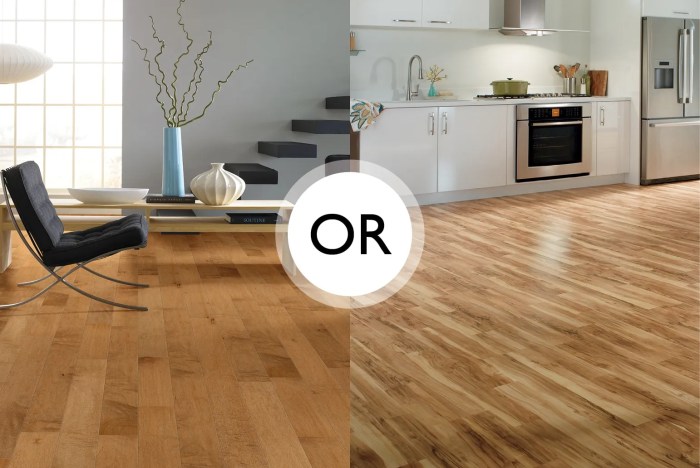
When it comes to enhancing the aesthetics of a kitchen, the choice of flooring plays a crucial role in setting the tone and style of the space. Both laminate flooring and hardwood flooring offer unique benefits that can elevate the overall look and feel of a kitchen.
Laminate Flooring for Aesthetics
Laminate flooring can enhance a kitchen’s aesthetics by mimicking the look of natural materials such as wood or stone at a more affordable price point. With a wide range of colors and patterns available, laminate flooring allows homeowners to achieve the desired aesthetic without compromising on style. Its durability and low maintenance make it a practical choice for high-traffic areas like the kitchen.
Tips for Choosing Hardwood Flooring
When choosing hardwood flooring for a kitchen, it is essential to opt for a durable wood species that can withstand the moisture and heavy foot traffic typical in this area of the home. Hardwood floors like oak, maple, or cherry are popular choices for kitchens due to their durability and timeless appeal. Consider the finish and color of the hardwood to complement the existing kitchen decor and cabinetry for a cohesive look.
Benefits of Laminate Flooring in the Kitchen
Laminate flooring offers several benefits in a kitchen setting, including resistance to stains, scratches, and moisture. Its easy installation and maintenance make it a practical choice for homeowners looking to update their kitchen flooring without the hassle of extensive renovations. Additionally, laminate flooring is more budget-friendly than hardwood, making it an attractive option for those on a tight budget.
Examples of Kitchen Improvement Projects
- Upgrading a dated kitchen with laminate flooring that resembles hardwood to achieve a modern and stylish look.
- Installing durable hardwood flooring in a farmhouse-style kitchen to enhance the rustic charm and authenticity of the space.
- Renovating a contemporary kitchen with sleek laminate flooring in a grey finish to create a clean and minimalist aesthetic.
Home Improvement and Furniture
When it comes to home improvement projects, flooring choices can greatly influence furniture selection and placement. The type of flooring you choose can impact the overall look and feel of a room, as well as the style of furniture that will complement it.
How Hardwood Flooring Adds Value to a Home’s Interior Design
Hardwood flooring is a popular choice for many homeowners due to its durability, timeless appeal, and ability to add value to a home’s interior design. Hardwood floors can create a sense of warmth and elegance, making them a desirable feature for potential buyers.
Tips for Coordinating Flooring with Furniture Styles
- Consider the color and finish of your flooring when selecting furniture to ensure a cohesive look.
- Choose furniture pieces that complement the style of your flooring, whether it’s traditional, modern, or rustic.
- Use area rugs to define spaces and add contrast between your furniture and flooring.
- Opt for furniture with legs to showcase more of your beautiful hardwood floors.
Examples of Furniture Pieces that Complement Different Types of Flooring
- For light oak hardwood floors, consider pairing them with mid-century modern furniture for a sleek and stylish look.
- Darker hardwood floors, such as mahogany or walnut, can be complemented with traditional or antique furniture pieces for a classic feel.
- If you have laminate flooring that mimics the look of reclaimed wood, try incorporating industrial-style furniture with metal accents for a trendy vibe.
Flooring
When it comes to choosing between laminate flooring and hardwood options, there are several factors to consider, including sustainability, environmental impact, insulation properties, and innovative trends in flooring materials and designs.
Sustainability Comparison
- Laminate flooring is often considered more sustainable than hardwood because it is made from composite wood materials that can be recycled.
- Hardwood flooring, on the other hand, comes from natural wood sources that may require more resources to harvest and process.
Environmental Impact
- Choosing laminate over hardwood flooring can have a lower environmental impact due to the use of recycled materials and less waste in production.
- Hardwood flooring may contribute to deforestation and have a higher carbon footprint compared to laminate options.
Insulation Properties
- Laminate flooring generally has better insulation properties than hardwood, providing a warmer surface to walk on and helping to retain heat in a room.
- Hardwood flooring may feel colder underfoot and may not offer the same level of insulation as laminate.
Innovative Trends
- Recent trends in flooring materials include eco-friendly options like bamboo and cork, which offer sustainable alternatives to traditional hardwood and laminate.
- Design innovations such as wide-plank flooring, textured finishes, and mixed-material patterns are gaining popularity in modern flooring choices.
Green Living
When it comes to choosing between laminate and hardwood flooring for your home, considering eco-friendly options is essential for a greener living space. Both laminate and hardwood offer sustainable choices that can contribute to a more environmentally friendly home.
Eco-Friendly Options Available
There are various eco-friendly options available in both laminate and hardwood flooring. For laminate flooring, look for products that are made from recycled materials or have low VOC emissions. Hardwood flooring certified by organizations like the Forest Stewardship Council (FSC) ensures that the wood comes from sustainably managed forests.
Benefits of Choosing Sustainable Flooring
- Reduction in environmental impact
- Improved indoor air quality
- Support for sustainable forestry practices
Maintaining Environmentally Friendly Flooring
To maintain eco-friendly flooring choices, consider using non-toxic cleaning products and following manufacturer’s guidelines for care and maintenance. Regular cleaning and proper upkeep can extend the lifespan of your floors while minimizing the use of harsh chemicals.
Successful Integration of Green Flooring Solutions
Many homes have successfully integrated green flooring solutions by incorporating renewable materials, using reclaimed wood, or opting for bamboo flooring, which is a fast-growing and sustainable option. These examples showcase that it is possible to create stylish and environmentally conscious living spaces.
Interior Design and Decorating
Laminate flooring and hardwood flooring both play a significant role in enhancing interior design and decorating. While laminate flooring offers versatility and affordability, hardwood flooring adds a touch of elegance and warmth to any space.
Laminate Flooring Enhancements
Laminate flooring comes in a wide range of styles and finishes, making it easy to complement different interior design styles. Whether you prefer a modern, rustic, or traditional look, laminate flooring can enhance the overall aesthetic of your space. Its durability and easy maintenance also make it a practical choice for high-traffic areas.
Hardwood Flooring Warmth
Hardwood flooring is known for creating a warm and inviting interior space. The natural beauty and timeless appeal of hardwood floors add a sense of luxury and sophistication to any room. The rich tones and textures of hardwood flooring can help create a cozy atmosphere, perfect for living rooms, bedrooms, and dining areas.
Impact of Flooring Colors and Textures
The colors and textures of flooring have a significant impact on interior decorating choices. Lighter flooring colors can make a room feel more spacious and airy, while darker tones add a sense of warmth and intimacy. Textured flooring, such as hand-scraped or wire-brushed finishes, can add depth and character to a space.
Harmonizing Flooring with Design Elements
When harmonizing flooring with other design elements in a room, consider the overall color palette, furniture style, and decor accents. For example, pairing light oak laminate flooring with neutral walls and minimalist furniture can create a contemporary look. Mixing hardwood flooring with vintage rugs, cozy textiles, and eclectic decor pieces can add a touch of charm and personality to a space.
Bath and Shower
When it comes to choosing between laminate and hardwood flooring for bathrooms, there are several factors to consider. While both options have their own pros and cons, it is important to assess their suitability in a wet and humid environment like a bathroom.Laminate flooring is generally not recommended for bathrooms due to its susceptibility to water damage. The moisture and humidity in bathrooms can cause laminate flooring to warp, swell, or even peel over time.
On the other hand, hardwood flooring can also be affected by moisture and humidity, leading to warping and mold growth.
Suitability of Laminate and Hardwood Flooring in Bathrooms
- Laminate flooring is not waterproof and can be easily damaged by water in bathrooms.
- Hardwood flooring can also be affected by moisture in bathrooms, leading to warping and mold growth.
- Both laminate and hardwood flooring may require additional maintenance in bathrooms to prevent water damage.
Challenges of Maintaining Bathroom Flooring
- Regularly check for leaks and moisture in the bathroom to prevent water damage to the flooring.
- Use bath mats or rugs near showers and baths to absorb excess water and protect the flooring.
- Avoid standing water on the flooring and promptly wipe up any spills to prevent damage.
Protecting Flooring from Water Damage
- Consider using waterproof flooring options like luxury vinyl or ceramic tiles for bathrooms.
- Apply a waterproof sealant to hardwood flooring to protect it from moisture and humidity.
- Ensure proper ventilation in the bathroom to reduce moisture levels and prevent damage to the flooring.
Innovative Bathroom Flooring Solutions
- Opt for waterproof laminate flooring that is specifically designed for bathrooms.
- Explore eco-friendly options like bamboo or cork flooring that are durable and water-resistant.
- Install heated floors under the bathroom flooring to prevent moisture buildup and enhance comfort.
House Plans
The flooring choices in a house can significantly impact the layout and design of house plans. From the overall aesthetic to the functionality of each space, selecting the right flooring materials is crucial in the planning process.
Influence on Layout and Design
Choosing between laminate flooring and hardwood can determine the flow of the house. Hardwood flooring, with its classic and elegant look, can add warmth and sophistication to a space. On the other hand, laminate flooring offers a more budget-friendly option with a wide range of designs to choose from. The choice between the two can influence the overall style and atmosphere of the house.
Considerations for Flooring Materials
When selecting flooring materials based on house plans, it is essential to consider factors such as durability, maintenance, and cost. Hardwood flooring may require more maintenance but can add long-term value to the property. Laminate flooring, while easier to maintain, may not have the same longevity as hardwood. It’s important to weigh these factors against your lifestyle and budget when making a decision.
Impact on Overall Feel
The type of flooring you choose can impact the overall feel of a house. Hardwood flooring can create a sense of luxury and elegance, while laminate flooring can offer a more modern and versatile look. Integrating the right flooring option into your house plan can enhance the aesthetic appeal and functionality of each room.
Tips for Customization
When customizing house plans, consider your flooring preferences early in the process. Think about how different flooring options will complement the overall design scheme and layout of the house. Consult with a professional to explore creative ways to integrate your flooring choices seamlessly into the house plan for a cohesive and stylish finish.
Feng Shui
Feng Shui is an ancient Chinese practice that focuses on creating harmony and balance in living spaces. One important aspect of Feng Shui is the choice of flooring materials, as they can significantly impact the energy flow within a home.When it comes to flooring choices, both laminate and hardwood can align with Feng Shui principles, but it’s essential to consider the specific characteristics of each material.
Alignment with Feng Shui Principles
- Laminate flooring, with its wide range of designs and colors, can help create a balanced and harmonious space by incorporating elements of nature into the home. Opt for laminate flooring that mimics the look of natural wood to enhance the connection with the earth element.
- Hardwood flooring, on the other hand, is praised in Feng Shui for its durability and timeless appeal. Choose hardwood floors with warm tones to promote positive energy flow and create a sense of warmth and grounding in the space.
- Ensure that the flooring materials you choose are of high quality and free from harmful chemicals to maintain a healthy and vibrant environment as per Feng Shui principles.
Incorporating Feng Shui Elements
- Place area rugs strategically on the flooring to define different areas of the home and create a sense of balance and harmony.
- Consider the direction of the flooring planks when installing laminate or hardwood floors to align with the flow of energy in the space based on Feng Shui guidelines.
- Use natural materials like bamboo or cork for flooring options as they are considered auspicious in Feng Shui and promote a sense of tranquility and balance in the home.
Heating and Air Conditioning
When it comes to the impact of flooring on heating and air conditioning, both laminate and hardwood have distinct properties that can affect the energy efficiency of a home. Let’s explore how these flooring materials can influence the performance of heating and air conditioning systems.
Insulation Properties of Laminate vs. Hardwood Flooring
Hardwood flooring is known for its natural insulating properties, helping to retain heat and keep rooms warm during colder months. On the other hand, laminate flooring is not as effective at insulating and may not provide the same level of warmth. This difference can impact how well heating systems maintain a comfortable temperature in a home.
Impact on Energy Efficiency
The choice between laminate and hardwood flooring can have a significant impact on the energy efficiency of a home. Hardwood floors can help to reduce energy consumption by maintaining warmth and reducing the need for constant heating. In contrast, laminate flooring may require more energy to heat a space adequately, leading to higher energy bills.
Considerations for Flooring and Heating/Cooling Systems
When selecting flooring materials, it’s essential to consider how they will interact with heating and cooling systems. Hardwood floors are generally a better choice for homes with radiant heating systems, as they allow for efficient heat transfer. Laminate flooring may not be as compatible with radiant heating and could impede the system’s performance.
Tips for Optimizing Heating and Air Conditioning Performance
- Choose hardwood flooring for better insulation and energy efficiency.
- Consider area rugs or carpets on top of laminate flooring to help retain heat.
- Maintain proper insulation in the subfloor to prevent energy loss through the floor.
- Regularly clean and maintain flooring to ensure proper airflow for heating and cooling systems.
From cost considerations to durability and maintenance, the comparison between laminate flooring and hardwood provides insights into making the right flooring choice for your home. Whether you prioritize cost-efficiency or long-term durability, understanding the differences between these options is crucial for a well-informed decision.
Q&A
Is laminate flooring more affordable than hardwood?
Yes, laminate flooring tends to be more budget-friendly compared to hardwood flooring.
Which type of flooring is easier to maintain, laminate or hardwood?
Laminate flooring is generally easier to maintain as it is more resistant to scratches and moisture compared to hardwood.
Do hardwood floors add more value to a home compared to laminate flooring?
Yes, hardwood floors are often seen as a premium option that can increase the overall value of a home.


