
Delving into the world of home inspection reports, this comprehensive guide sheds light on the essential components to look out for and offers valuable tips on interpreting them effectively. Whether you’re a seasoned homeowner or a first-time buyer, understanding this crucial document is paramount in making informed property decisions.
As we navigate through the intricate details of a home inspection report, you’ll gain insights that can empower you in your real estate endeavors.
Home Inspection Report Explanation
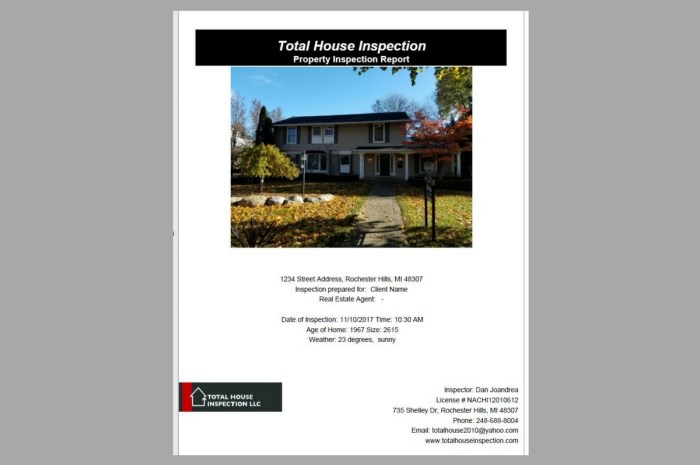
When reviewing a home inspection report, it is essential to understand the key components that are typically included. This report provides a detailed assessment of the condition of the property and highlights any potential issues that may need to be addressed.
Key Components of a Home Inspection Report
- Detailed descriptions of the property’s structure, including the foundation, roof, walls, and floors.
- Assessment of the electrical, plumbing, and HVAC systems.
- Identification of any visible signs of water damage, mold, or pest infestations.
- Notes on the overall condition of appliances and major components within the home.
Importance of Understanding a Home Inspection Report
Before making a property purchase decision, it is crucial to thoroughly review and comprehend the home inspection report. This document can help you identify any potential issues or repairs that may be needed, allowing you to make an informed decision about the property.
Tips for Interpreting a Home Inspection Report
- Pay close attention to any areas marked as “critical” or “safety hazard” as these may require immediate attention.
- Consult with the inspector to clarify any technical jargon or complex findings mentioned in the report.
- Consider getting a second opinion or additional inspections for areas of concern to get a comprehensive understanding of the property’s condition.
Kitchen Improvements
When it comes to improving your kitchen, there are plenty of budget-friendly ideas that can make a big impact. From simple updates to more significant renovations, enhancing your kitchen can not only improve the functionality of the space but also increase the overall value of your property.
List of Budget-Friendly Kitchen Improvement Ideas:
- Painting cabinets for a fresh new look
- Updating hardware such as handles and knobs
- Installing a new backsplash for a modern touch
- Replacing old faucets and fixtures for a more polished look
- Adding under cabinet lighting for better visibility
Latest Trends in Kitchen Design:
- Open shelving for a more airy and spacious feel
- Quartz countertops for a sleek and durable surface
- Smart appliances for convenience and efficiency
- Statement lighting fixtures for a pop of style
- Mixed materials for a unique and personalized look
Impact of Kitchen Improvements on Property Value:
Kitchen improvements are known to have a significant impact on the overall value of a property. A modern and updated kitchen can attract potential buyers and increase the resale value of your home. Investing in quality materials and design elements can pay off in the long run, making it a worthwhile endeavor for homeowners looking to enhance their living space.
Home Improvement and Furniture
When it comes to home improvement projects, selecting the right furniture plays a crucial role in enhancing the overall look and feel of the space. The right furniture can complement the upgrades you’ve made to your home and elevate the aesthetic appeal of your living areas.
Choosing Complementary Furniture
Choosing furniture that complements your home improvement upgrades is essential to creating a cohesive and visually appealing space. Here are some tips to help you select the right pieces:
- Consider the style of your home: Choose furniture that complements the architectural style of your home. For example, if you have a modern home, opt for sleek and minimalist furniture pieces.
- Coordinate colors and finishes: Ensure that the colors and finishes of your furniture complement the color palette and materials used in your home improvement projects.
- Balance proportions: Pay attention to the scale of your furniture in relation to the size of the room and other elements in the space. Avoid overcrowding or under-furnishing a room.
- Focus on comfort and functionality: While aesthetics are important, prioritize comfort and functionality when selecting furniture pieces. Choose pieces that not only look good but also serve their intended purpose.
Enhancing Aesthetics with Furniture Placement
The way you arrange and place your furniture can significantly impact the overall aesthetic of a renovated space. Here are some tips for furniture placement to enhance the visual appeal of your home:
- Create a focal point: Arrange furniture around a focal point in the room, such as a fireplace or a piece of artwork, to create a sense of balance and visual interest.
- Leave space to breathe: Avoid overcrowding a room by leaving enough space between furniture pieces. This not only improves the flow of the room but also makes it feel more spacious.
- Consider traffic flow: Arrange furniture in a way that allows for easy movement through the space. Ensure that pathways are clear and unobstructed.
- Experiment with different layouts: Don’t be afraid to try out different furniture arrangements to find the one that works best for your space. Play around with different configurations until you find the perfect setup.
Flooring
When it comes to choosing the right flooring for your home, there are several factors to consider such as durability, maintenance, and cost. Each type of flooring material has its own set of pros and cons, so it’s important to weigh your options carefully.
Types of Flooring Materials
- Hardwood Flooring: Known for its durability and timeless appeal, hardwood flooring can be more expensive upfront but can last for many years with proper care.
- Laminate Flooring: A more affordable option that mimics the look of hardwood, laminate flooring is easy to maintain and comes in a variety of styles.
- Tile Flooring: Ideal for high-traffic areas like kitchens and bathrooms, tile flooring is durable and resistant to moisture. It can be cold underfoot, so consider underfloor heating in colder climates.
- Carpet Flooring: Soft and comfortable underfoot, carpet flooring is a popular choice for bedrooms and living rooms. However, it requires regular cleaning and maintenance to keep it looking its best.
- Vinyl Flooring: Affordable and versatile, vinyl flooring is easy to install and comes in a wide range of colors and patterns. It’s also durable and water-resistant, making it a good choice for kitchens and bathrooms.
Choosing the Right Flooring
When selecting flooring for each room in your house, consider the function and traffic levels of the space. Here’s a step-by-step guide on how to choose the right flooring:
- Assess the room: Determine the purpose of the room and the amount of foot traffic it receives.
- Consider your lifestyle: If you have pets or children, choose a flooring material that is easy to clean and maintain.
- Think about style: Select a flooring material that complements the aesthetic of your home and fits your personal style.
- Set a budget: Determine how much you are willing to spend on flooring and choose a material that fits within your budget.
- Consult with a professional: If you’re unsure about which flooring material to choose, seek advice from a flooring expert.
Proper Flooring Installation
Proper installation of flooring is crucial for long-term satisfaction and durability. Improper installation can lead to issues such as uneven floors, gaps between planks, and premature wear and tear. It’s best to hire a professional flooring installer to ensure that your flooring is installed correctly and will last for years to come.
Green Living
Green living is a lifestyle aimed at reducing one’s environmental impact by making sustainable choices in everyday life. This concept can also be integrated into home design, promoting energy efficiency, waste reduction, and overall environmental consciousness.
Eco-Friendly Home Improvement Ideas
- Install energy-efficient appliances to reduce electricity consumption.
- Use low-flow faucets and showerheads to conserve water.
- Opt for solar panels to harness renewable energy and lower electricity bills.
- Implement a rainwater harvesting system for irrigation and toilet flushing.
- Choose eco-friendly building materials like bamboo flooring or reclaimed wood.
Benefits of Green Living
- Reduces carbon footprint and helps combat climate change.
- Saves money on utility bills in the long run.
- Improves indoor air quality and overall health.
- Promotes sustainable practices for a healthier planet for future generations.
Interior Design and Decorating
Interior design plays a crucial role in creating a cohesive and inviting home environment. It involves the art of enhancing the interior of a space to achieve a healthier and more aesthetically pleasing environment for the people using it.
Popular Interior Design Styles
There are various popular interior design styles that people often choose to personalize their living spaces. These styles can be tailored to suit individual preferences and create a unique atmosphere in the home.
- Modern: Characterized by clean lines, minimalism, and neutral colors.
- Traditional: Features classic furniture, rich colors, and intricate details.
- Industrial: Incorporates raw materials like metal and wood, with a focus on unfinished elements.
- Bohemian: Embraces a relaxed and eclectic vibe, with a mix of patterns, textures, and colors.
- Scandinavian: Known for its simplicity, functionality, and use of natural elements.
Decorating Tips for Different Areas of the Home
When it comes to decorating different areas of the home, it’s essential to reflect your personal style and create a space that feels like you. Here are some tips for decorating various areas:
- Living Room: Consider a mix of textures, layering rugs, and adding personal touches through artwork and accessories.
- Bedroom: Focus on creating a cozy and relaxing atmosphere with soft bedding, ambient lighting, and personalized decor.
- Kitchen: Add warmth with plants, colorful accents, and functional yet stylish storage solutions.
- Bathroom: Opt for soothing colors, luxurious towels, and decorative elements like candles or plants to create a spa-like feel.
- Home Office: Stay organized with decorative storage solutions, personalize the space with inspiring decor, and ensure proper lighting for productivity.
Bath and Shower
When it comes to bathroom renovations, the choice of baths and showers can significantly impact the functionality and aesthetics of the space. Selecting the right fixtures can enhance your bathing experience and elevate the overall design of the bathroom.
Types of Baths and Showers
- Freestanding Bathtubs: These luxurious tubs add a touch of elegance to any bathroom and are perfect for creating a spa-like atmosphere.
- Walk-In Showers: Ideal for small bathrooms, walk-in showers are sleek and modern, providing easy accessibility and a spacious feel.
- Clawfoot Tubs: With their classic design, clawfoot tubs are a statement piece that can serve as the focal point of a vintage-inspired bathroom.
Choosing the Right Fixtures
- Consider the size of your bathroom and the layout before selecting a bath or shower to ensure it fits seamlessly into the space.
- Choose fixtures that complement the overall style of your bathroom, whether it’s contemporary, traditional, or eclectic.
- Opt for high-quality materials that are durable and easy to maintain for long-lasting enjoyment.
Latest Trends in Bathroom Design
- Smart Technology Integration: From digital shower controls to heated floors, incorporating smart technology can enhance comfort and convenience in the bathroom.
- Neutral Color Schemes: Neutral tones like whites, greys, and beiges are popular choices for creating a calming and timeless bathroom design.
- Statement Lighting: Unique lighting fixtures, such as pendant lights or LED strips, can add a touch of glamour and drama to the bathroom space.
Furniture
Choosing quality furniture pieces for a home is crucial as they not only enhance the aesthetics of the space but also contribute to the overall comfort and functionality. Quality furniture can last for years, providing durability and value for your investment. When selecting furniture, consider factors such as materials, construction, and design to ensure longevity and style.
Arranging Furniture for Optimal Space Utilization
Arranging furniture in a strategic manner can make a significant difference in maximizing space and functionality within a room. Here are some tips to help you make the most of your furniture layout:
- Consider the flow of traffic and ensure there is enough space for movement around the furniture.
- Place larger pieces against the walls to create an open center area.
- Use multipurpose furniture, such as storage ottomans or sofa beds, to save space.
- Utilize vertical space by incorporating shelving units or wall-mounted furniture.
Impact of Furniture Style on Interior Design
The style of furniture you choose can greatly influence the overall interior design of a room. Whether you prefer modern, traditional, rustic, or eclectic styles, your furniture selection sets the tone for the space. Here are some key points to consider:
- Choose furniture that complements the existing decor and architectural elements of the room.
- Mixing different styles can create visual interest and add character to the space.
- Consider the scale and proportion of furniture pieces to ensure they harmonize with the room’s size and layout.
- Experiment with colors, textures, and patterns to create a cohesive and inviting atmosphere.
House Plans
When it comes to designing a home, the house plan serves as the blueprint that dictates the layout, flow, and overall functionality of the space. A well-designed house plan takes into consideration various factors such as the size of the lot, orientation, lifestyle needs, and aesthetic preferences.
Customizing a house plan is essential to meet specific needs and preferences of homeowners. This can involve adjustments to the number of bedrooms, bathrooms, the layout of the kitchen, or the addition of extra living spaces such as a home office or a media room. By customizing a house plan, homeowners can ensure that the final design aligns perfectly with their vision.
Choosing the Right House Plan
- Consider the size of your family: Larger families may require more bedrooms and bathrooms, while smaller families might prioritize open living spaces.
- Think about your lifestyle: Do you entertain often? Do you work from home? These factors can influence the design of your house plan.
- Take into account future needs: It’s important to consider how your needs may change over time. A flexible house plan can adapt to different stages of life.
- Focus on functionality: A well-designed house plan maximizes space and ensures efficient circulation throughout the home.
Feng Shui
Feng Shui is an ancient Chinese practice that focuses on harmonizing individuals with their environment to promote positive energy flow and overall well-being in their lives. By incorporating Feng Shui principles into your home design and layout, you can create a space that not only looks beautiful but also feels balanced and peaceful.
Benefits of Feng Shui
- Enhanced energy flow: By arranging furniture and decor in a way that promotes the smooth flow of energy, known as “chi,” you can create a more harmonious living space.
- Improved mood and productivity: A well-balanced and organized home can have a positive impact on your mood, productivity, and overall mental well-being.
- Increased abundance and prosperity: Feng Shui practices can help attract positive energy and opportunities for abundance and prosperity into your life.
- Better sleep and relaxation: Creating a calming and tranquil environment through Feng Shui can promote better sleep quality and overall relaxation.
Tips for Incorporating Feng Shui
- Clear clutter: Clutter can block the flow of positive energy, so make sure to declutter your space regularly to allow for the free movement of chi.
- Balance elements: Incorporate a balance of the five elements – wood, fire, earth, metal, and water – in your home decor to create a harmonious environment.
- Use mirrors strategically: Mirrors can help reflect light and energy, so place them thoughtfully to enhance the energy flow in your space.
- Create a peaceful entryway: The entryway is where energy enters your home, so make sure it is welcoming, clutter-free, and well-lit to invite positive energy inside.
Heating and Air Conditioning
When it comes to heating and air conditioning systems, it is essential to consider efficiency and cost-effectiveness to ensure optimal performance and energy savings in your home. Proper maintenance, insulation, and ventilation play crucial roles in achieving this goal.
Comparing Heating and Air Conditioning Systems
- When comparing heating and air conditioning systems, consider the Energy Efficiency Ratio (EER) and Seasonal Energy Efficiency Ratio (SEER) ratings. Higher ratings indicate greater efficiency and lower operating costs over time.
- Ductless mini-split systems offer energy-efficient heating and cooling for individual rooms or zones, providing flexibility and potential savings on energy bills.
- Heat pumps are another option to consider, offering both heating and cooling capabilities in a single system. They can be more cost-effective in moderate climates.
Maintenance Tips for Heating and Cooling Systems
- Regularly clean or replace air filters to ensure proper airflow and efficiency.
- Schedule annual professional maintenance to keep the system running smoothly and identify any potential issues early on.
- Check and seal any leaks in ductwork to prevent energy loss and ensure even distribution of heated or cooled air throughout your home.
Importance of Insulation and Ventilation
- Proper insulation helps retain heat in the winter and cool air in the summer, reducing the workload on your heating and cooling systems.
- Good ventilation ensures fresh air circulation, prevents moisture buildup, and maintains indoor air quality, contributing to a comfortable and healthy living environment.
- Consider upgrading insulation and improving ventilation in your home to enhance energy efficiency and the overall performance of your heating and cooling systems.
In conclusion, mastering the art of deciphering a home inspection report can be a game-changer when it comes to property investments. Armed with this knowledge, you’ll be better equipped to make sound decisions that align with your home buying goals.
Commonly Asked Questions
What should I focus on in a home inspection report?
Pay attention to crucial components like structural integrity, electrical systems, plumbing, and potential safety hazards.
How can I effectively interpret a home inspection report?
Take your time to review each section thoroughly, seek clarification on any unclear points, and prioritize issues that may impact the property’s value or safety.
Why is it important to understand a home inspection report before buying a property?
Understanding the report helps you make informed decisions, negotiate repairs or price adjustments, and avoid unexpected expenses post-purchase.


