
With Kitchen cabinet upgrades at the forefront, this paragraph opens a window to an amazing start and intrigue, inviting readers to embark on a storytelling journey filled with unexpected twists and insights.
From exploring the benefits of upgrading kitchen cabinets to discussing the latest trends and tips on choosing the right style, this topic delves deep into the world of kitchen upgrades.
Kitchen Cabinet Upgrades
Upgrading kitchen cabinets can completely transform the look and feel of your kitchen, providing both aesthetic appeal and functionality. By investing in cabinet upgrades, you can increase the value of your home and create a more organized and efficient cooking space.
Benefits of Upgrading Kitchen Cabinets
- Improved storage options to maximize space and reduce clutter.
- Enhanced aesthetic appeal with modern designs and finishes.
- Increased durability and longevity with high-quality materials.
- Customization options to suit your specific needs and style preferences.
Popular Materials for Cabinet Upgrades
- Hardwood: Provides a classic and timeless look with excellent durability.
- Stainless Steel: Offers a sleek and modern appearance that is easy to clean.
- Laminate: Budget-friendly option with a variety of colors and patterns available.
- Thermofoil: Resistant to moisture and easy to maintain, ideal for busy kitchens.
Latest Trends in Kitchen Cabinet Designs
- Open Shelving: Creating an airy and spacious feel by removing cabinet doors.
- Mixed Materials: Combining different finishes and textures for a unique look.
- Smart Storage Solutions: Pull-out drawers, lazy Susans, and other innovative storage options.
- Dark Colors: Bold and dramatic cabinet colors like navy blue and charcoal gray.
Tips for Choosing the Right Cabinet Style
- Consider the overall style of your kitchen and choose cabinets that complement it.
- Think about your storage needs and select cabinets that offer the right amount of space.
- Take into account the durability and maintenance requirements of different materials.
- Look for inspiration in home design magazines, websites, and social media for ideas.
Home Inspections
When conducting a home inspection, it is crucial to thoroughly assess the condition of the kitchen cabinets. The kitchen is one of the most utilized spaces in a home, making the cabinets a key component that can impact the overall value and functionality of the property.
Importance of Inspecting Kitchen Cabinets
During a home inspection, evaluating the condition of kitchen cabinets can reveal potential issues that may affect the home’s value or safety. It is important to check for signs of wear and tear, damage, or poor installation to ensure the cabinets are in good working condition.
Checklist for Evaluating Kitchen Cabinets
- Inspect the cabinet doors and drawers for proper alignment and smooth operation.
- Check for any water damage, mold, or mildew inside the cabinets.
- Examine the cabinet frames for signs of warping, cracks, or structural issues.
- Assess the condition of the cabinet hardware, such as hinges and handles.
- Look for any signs of pest infestation, such as droppings or gnaw marks.
Common Issues Found in Kitchen Cabinets
- Water damage from leaks or spills.
- Warping or sagging of cabinet doors and drawers.
- Loose or broken hinges, handles, or knobs.
- Mold or mildew growth due to moisture buildup.
- Pest infestation causing damage to the cabinets.
Addressing Problems Discovered in Kitchen Cabinets
- Repair any water damage promptly and address the source of the leak to prevent further issues.
- Adjust or replace cabinet doors and drawers that are not functioning properly.
- Fix or replace damaged hardware to ensure smooth operation of the cabinets.
- Clean and treat any mold or mildew growth to prevent health hazards.
- Engage pest control services to eliminate any infestation and repair the damage caused.
Kitchen Improvements
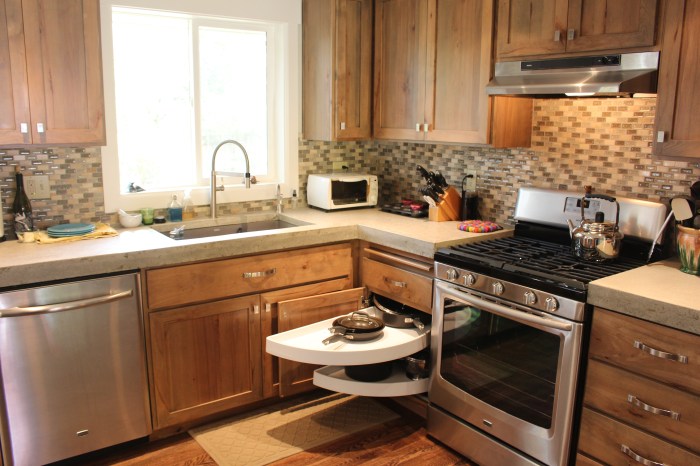
Upgrading kitchen cabinets can have a significant impact on enhancing the overall design and functionality of a kitchen. By improving the cabinets, you can create a more organized and visually appealing space that adds value to your home.
Enhanced Storage Space
Upgrading kitchen cabinets can provide increased storage space through various methods. Installing pull-out shelves, lazy Susans, or vertical dividers can maximize the use of cabinet space. Utilizing the full height of cabinets with additional shelves or adding overhead cabinets can also help in increasing storage capacity.
Impact on Resale Value
Upgrading kitchen cabinets can positively affect the resale value of a home. Potential buyers are often attracted to kitchens with modern, well-maintained cabinets as they contribute to the overall appeal of the space. Investing in quality cabinet upgrades can result in a higher resale value for your home.
Budget-Friendly Improvements
There are budget-friendly ways to improve kitchen cabinets without having to undergo a full replacement. Painting or refinishing existing cabinets, replacing hardware such as handles and knobs, or adding crown molding can give cabinets a fresh look without breaking the bank. Additionally, decluttering and organizing cabinets can make a significant difference in the overall appearance and functionality of the kitchen.
Home Improvement and Furniture
Upgrading kitchen cabinets is an essential part of home improvement projects that can enhance both the functionality and aesthetics of your living space. Kitchen cabinets play a crucial role in not only providing storage solutions but also in defining the overall look and feel of the kitchen.
Integrating New Cabinet Designs with Existing Furniture
When upgrading kitchen cabinets, it is important to consider how the new designs will complement the existing furniture in your kitchen. Here are some tips to seamlessly integrate new cabinet designs with your current decor:
- Choose cabinet finishes that match or complement the color scheme of your existing furniture.
- Consider the style of your furniture (modern, traditional, rustic) and opt for cabinet designs that align with the overall aesthetic.
- Coordinate hardware such as handles and knobs to ensure a cohesive look throughout the kitchen.
- Ensure that the new cabinet layout is functional and does not clash with the placement of your existing furniture.
Coordinating Kitchen Cabinet Upgrades with Other Projects
When planning home improvement projects, it is important to coordinate kitchen cabinet upgrades with other renovations to achieve a harmonious look throughout your home. Here are some ideas on how to coordinate kitchen cabinet upgrades with other home improvement projects:
- Consider repainting or refinishing other furniture in the kitchen to match the new cabinet finishes.
- Upgrade countertops and backsplashes to complement the new cabinet designs and create a cohesive look.
- Install new lighting fixtures that enhance the overall ambiance of the kitchen and showcase the beauty of the upgraded cabinets.
- Incorporate new flooring materials that complement the color and style of the kitchen cabinets for a unified design aesthetic.
Flooring
When upgrading kitchen cabinets, it is essential to consider how they will complement the flooring in the space. The right combination of cabinet finishes and flooring materials can create a harmonious and cohesive look for your kitchen.
Coordinating Cabinet Colors with Flooring
Choosing the right cabinet colors to match your kitchen floor is crucial for achieving a balanced and visually appealing design. Here are some tips to help you coordinate cabinet finishes with different flooring options:
- For dark hardwood floors, consider lighter cabinet finishes such as white or light grey to create a striking contrast.
- If you have light-colored flooring like tile or light oak, opt for warmer cabinet finishes like cherry or mahogany to add depth and warmth to the space.
- For neutral-colored floors such as concrete or vinyl, you have the flexibility to choose cabinet finishes in a variety of shades to complement the overall color scheme of your kitchen.
Enhancing Impact with Flooring Upgrades
Upgrading your kitchen flooring can significantly enhance the overall impact of new cabinets. A fresh and modern floor can elevate the look of your cabinets and make the entire space feel more cohesive and polished. Consider options like hardwood, tile, laminate, or vinyl to transform the look and feel of your kitchen.
Furniture
When it comes to kitchen furniture, cabinets play a crucial role in both functionality and aesthetics.
Kitchen cabinets are not just for storage; they also contribute to the overall design and layout of the kitchen.
Role of Kitchen Cabinets
- Kitchen cabinets provide ample storage space for utensils, cookware, and pantry items, helping to keep the kitchen organized and clutter-free.
- They also serve as a focal point in the kitchen, with their design and finish influencing the style and ambiance of the space.
- Additionally, cabinets can define the overall layout of the kitchen by determining where other furniture pieces such as islands, tables, or chairs can be placed.
Selecting the Right Cabinets
- Consider the existing furniture in your kitchen and choose cabinets that complement the overall style and color scheme.
- Opt for durable materials and finishes that can withstand daily wear and tear, ensuring longevity and easy maintenance.
- Take into account the size and layout of your kitchen to determine the best cabinet configuration that maximizes storage and enhances functionality.
- Customize your cabinet design to suit your specific needs, whether it’s adding pull-out shelves, built-in organizers, or glass doors for display.
Green Living
When it comes to kitchen cabinet upgrades, choosing eco-friendly materials can make a significant impact on creating a greener home. Sustainable options not only benefit the environment but also contribute to a healthier living space for you and your family.
Eco-Friendly Options for Kitchen Cabinet Materials
There are several environmentally friendly materials you can consider for your kitchen cabinets, such as reclaimed wood, bamboo, and FSC-certified wood. These options help reduce deforestation and promote responsible sourcing of materials.
Benefits of Sustainable Cabinet Upgrades for a Greener Home
- Reduced environmental impact
- Improved indoor air quality
- Long-lasting durability
- Contribution to a more sustainable lifestyle
Environmentally Friendly Finishes for Kitchen Cabinets
Opting for non-toxic finishes like water-based sealants, natural oils, or low-VOC paint can minimize harmful emissions and chemicals in your home. These finishes are safer for both your family and the environment.
Tips on Incorporating Green Living Principles into Kitchen Cabinet Upgrades
- Choose cabinets made from recycled or sustainable materials
- Look for Energy Star-rated appliances to complement your eco-friendly kitchen
- Consider installing LED lighting for energy efficiency
- Donate or recycle old cabinets instead of sending them to the landfill
Interior Design and Decorating
Upgrading kitchen cabinets can have a significant impact on the overall interior design of a kitchen, transforming its look and feel.
Role of Cabinet Hardware
- Choose cabinet hardware that complements the style of the kitchen and enhances its aesthetic appeal.
- Consider factors such as the finish, shape, and size of the hardware to ensure it fits well with the cabinet design.
- Upgrading cabinet hardware can instantly give the kitchen a fresh and modern look without a complete renovation.
Selecting Colors and Styles
- Align the colors and styles of the cabinets with the overall interior design theme of the kitchen.
- Choose neutral colors for a timeless and versatile look, or go for bold colors to make a statement.
- Consider the existing color scheme of the kitchen and select cabinet colors that complement or contrast with it for a cohesive design.
Decorating Ideas
- Add personality to kitchen cabinets by incorporating decorative elements such as glass inserts, decorative panels, or moldings.
- Display decorative items on top of cabinets or inside glass-front cabinets to showcase your personal style and add visual interest.
- Use lighting to highlight certain areas of the cabinets and create a warm and inviting atmosphere in the kitchen.
Bath and Shower
When it comes to upgrading cabinets, bathrooms and kitchens have their own unique considerations. Let’s explore the similarities and differences between upgrading kitchen cabinets and bathroom cabinets and discuss the unique considerations for bathroom cabinet upgrades.
Similarities and Differences
- Bathroom cabinets, like kitchen cabinets, require durable materials that can withstand moisture and humidity.
- Both kitchen and bathroom cabinets can benefit from a fresh coat of paint or new hardware to update their look.
- One key difference is that bathroom cabinets may need to be more water-resistant than kitchen cabinets due to the increased exposure to moisture in the bathroom.
- While kitchen cabinets focus more on functionality and storage, bathroom cabinets may prioritize design and style to create a relaxing space.
Unique Considerations for Bathroom Cabinet Upgrades
- Choose materials that are resistant to moisture, such as marine-grade plywood, solid wood with a waterproof finish, or PVC.
- Consider the size and layout of your bathroom when selecting cabinet sizes and configurations to ensure they fit the space effectively.
- Opt for hardware and accessories that are specifically designed for bathroom use to prevent rust and corrosion.
Materials Suitable for Bathroom Cabinet Upgrades
- Marine-grade plywood: A durable and moisture-resistant option for bathroom cabinets.
- Solid wood with a waterproof finish: Provides a natural look with added protection against moisture.
- PVC: A cost-effective and water-resistant material that is easy to clean and maintain.
Maintaining Consistency in Design
- Choose a cohesive color palette or design style that complements both your kitchen and bathroom cabinets for a harmonious look throughout your home.
- Use similar hardware finishes or cabinet profiles to create a sense of continuity between the two spaces.
- Consider incorporating similar design elements, such as shaker-style doors or glass inserts, to tie the kitchen and bathroom cabinets together.
House Plans
Incorporating kitchen cabinet upgrades into different house plans requires careful consideration of the overall layout and design. The placement of cabinets plays a crucial role in enhancing both the functionality and aesthetic appeal of the kitchen space.
Integration of Kitchen Cabinet Upgrades
- Open Floor Plan: In modern open floor plans, kitchen cabinets can be used to create a seamless transition between the kitchen and living areas. Opt for sleek, minimalist designs to maintain the flow of the space.
- Traditional Layouts: For more traditional house plans, consider classic cabinet styles such as raised panel or shaker cabinets to complement the overall design aesthetic.
- Compact Spaces: In smaller homes or apartments, customization is key. Utilize vertical storage solutions, pull-out drawers, and clever organizational features to maximize space efficiency.
Importance of Cabinet Placement
- Workflow: Placing cabinets strategically in relation to the sink, stove, and refrigerator can optimize the kitchen workflow, making meal preparation more efficient.
- Natural Light: Consider cabinet placement to maximize natural light exposure in the kitchen. Avoid blocking windows or sources of natural light with tall cabinets.
- Traffic Flow: Ensure that cabinet doors and drawers do not obstruct the main pathways within the kitchen. Opt for pull-out shelves or corner cabinets to improve accessibility.
Complementing Architectural Styles
- Modern: Sleek, handle-less cabinets are ideal for modern architectural styles, creating a clean and minimalist look.
- Rustic: Distressed wood cabinets can add warmth and character to rustic home designs, enhancing the cozy atmosphere of the kitchen.
- Contemporary: Choose cabinets with simple lines and finishes that blend seamlessly with contemporary architectural elements, such as glass or metal accents.
Customization for Specific Plans
- Custom Heights: Adjust cabinet heights to fit unique ceiling heights or accommodate architectural features like exposed beams.
- Color Coordination: Coordinate cabinet colors with the overall color scheme of the house plan to create a cohesive and harmonious design.
- Special Features: Incorporate custom storage solutions, built-in appliances, or decorative elements to align the cabinets with the specific needs and style of the house plan.
Feng Shui
Feng Shui is an ancient Chinese practice that focuses on harmonizing individuals with their surroundings to promote positive energy flow. When it comes to kitchen cabinet upgrades, incorporating Feng Shui principles can enhance the overall energy and atmosphere of the space.
Impact of Cabinet Placement on Energy Flow
In Feng Shui, the kitchen is considered a vital area as it represents nourishment and wealth. The placement of kitchen cabinets can significantly impact the flow of energy in the space. It is essential to ensure that cabinets are not blocking pathways or hindering the natural flow of energy throughout the kitchen.
- Avoid placing cabinets directly above the stove, as this can symbolize the suppression of wealth and prosperity.
- Keep cabinet doors and drawers well-maintained and functional to prevent stagnant energy from accumulating.
- Arrange cabinets in a way that promotes ease of movement and access to essential kitchen tools and ingredients.
Tips for Arranging Kitchen Cabinets
Creating a harmonious and balanced kitchen environment through Feng Shui can be achieved by following these tips for arranging kitchen cabinets:
- Utilize natural materials such as wood for cabinets to promote warmth and grounding energy.
- Keep clutter to a minimum by organizing cabinets and ensuring items are stored neatly and efficiently.
- Integrate elements of nature into the kitchen design, such as plants or natural light, to enhance the flow of positive energy.
Feng Shui-Friendly Designs for Kitchen Cabinets
When selecting or designing kitchen cabinets with Feng Shui principles in mind, consider the following aspects:
Choose cabinet colors that align with the five Feng Shui elements – wood, fire, earth, metal, and water – to create a balanced and harmonious kitchen space.
| Example 1: | Opt for light wood cabinets to promote growth and vitality in the kitchen. |
| Example 2: | Incorporate metal accents in cabinet hardware to enhance clarity and focus in the cooking area. |
Heating and Air Conditioning
When upgrading kitchen cabinets, it is essential to consider how it can impact the heating and air conditioning systems in a home. Proper ventilation around kitchen cabinets is crucial to ensure efficient airflow and prevent any interference with heating and cooling systems.
Importance of Proper Ventilation
Proper ventilation around kitchen cabinets is important to prevent heat buildup and ensure efficient airflow. Cabinets that are installed too close to heating vents or air conditioning units can obstruct the flow of air, leading to inefficiencies in temperature regulation. It is essential to leave enough space between cabinets and ventilation systems to allow for proper airflow.
Choosing Cabinet Materials
When selecting materials for kitchen cabinets, opt for options that do not hinder heating and cooling efficiency. Materials like wood are good choices as they allow for better airflow compared to materials that trap heat. Additionally, choosing light-colored cabinets can help reflect heat and prevent overheating in the kitchen.
Optimizing Cabinet Layouts
To improve airflow in the kitchen, consider optimizing the layout of your kitchen cabinets. Avoid blocking vents with cabinets and ensure there is enough space around the cabinets for air to circulate freely. Utilize open shelving or glass-front cabinets to promote airflow and prevent any obstructions that could affect heating and cooling systems.
As we conclude this discussion on Kitchen cabinet upgrades, remember that enhancing your kitchen space is not just about aesthetics but also functionality. From increasing storage space to improving the overall design, these upgrades can truly transform your kitchen into a stylish and efficient hub of your home.
Helpful Answers
How can upgrading kitchen cabinets benefit my home?
Upgrading kitchen cabinets can enhance the overall look and feel of your kitchen, increase storage space, and even add value to your home.
What are some popular materials used for cabinet upgrades?
Popular materials for cabinet upgrades include wood, laminate, and metal, each offering different aesthetics and durability.
How do cabinet upgrades impact the resale value of a home?
By upgrading kitchen cabinets, you can potentially increase the resale value of your home as updated cabinets are attractive to potential buyers.
Are there budget-friendly ways to improve kitchen cabinets without replacing them?
Yes, you can improve kitchen cabinets on a budget by painting them, changing hardware, or refacing them to give them a fresh look.


