
Embark on a journey into the world of sustainable fashion brands, where eco-conscious choices meet style and innovation. Dive into the realm of fashion that cares for the planet and its people.
Learn about the key principles and practices that define sustainable fashion brands and how they differ from traditional fast fashion giants. Explore examples of renowned sustainable brands leading the way towards a greener future in fashion.
Sustainable Fashion Brands
Sustainable fashion refers to clothing and accessories that are produced in an environmentally and socially responsible manner. It aims to minimize the negative impact of fashion industry practices on the planet and people, while promoting ethical production and consumption.
Key Characteristics of Sustainable Fashion Brands
- Use of eco-friendly materials such as organic cotton, hemp, or recycled fibers
- Transparency in the supply chain to ensure fair labor practices
- Reduced waste through recycling, upcycling, and responsible production methods
- Emphasis on durability and timeless designs to promote longevity
Comparison with Traditional Fast Fashion Brands
- Sustainable fashion brands prioritize ethical and sustainable practices, while fast fashion brands focus on mass production at low costs
- Sustainable fashion brands promote transparency and responsible sourcing, whereas fast fashion brands often exploit cheap labor and lack transparency
- Sustainable fashion brands prioritize quality over quantity, encouraging consumers to buy less but invest in higher-quality pieces
Popular Sustainable Fashion Brands and Unique Selling Points
- Patagonia: Known for its commitment to environmental sustainability, fair labor practices, and activism
- Reformation: Focuses on eco-friendly materials, waste reduction, and ethical production methods
- Everlane: Emphasizes transparency in pricing and supply chain, offering high-quality essentials
- Veja: Uses sustainable materials such as organic cotton and wild rubber, supporting fair trade practices
Home Inspections
Before buying a property, home inspections are crucial to uncover any potential issues and ensure that you are making a sound investment. A thorough inspection can save you money in the long run by identifying any hidden problems that may require costly repairs.
Importance of Home Inspections
- Inspect the Roof: Check for any signs of damage, leaks, or missing shingles.
- Examine the Foundation: Look for cracks, water damage, or structural issues.
- Check Plumbing and Electrical Systems: Ensure that everything is in working order and up to code.
- Inspect HVAC Systems: Make sure heating and cooling systems are functioning properly.
- Look for Water Damage: Check for signs of leaks, mold, or water stains.
Benefits of Home Inspections
- Uncover Potential Issues: Identify problems before they escalate into costly repairs.
- Negotiate Repairs: Use inspection findings to negotiate repairs or a lower price.
- Peace of Mind: Know the condition of the property you are purchasing.
Choosing a Reliable Home Inspector
- Ask for Recommendations: Seek referrals from friends, family, or real estate agents.
- Check Credentials: Ensure the inspector is licensed and certified.
- Review Sample Reports: Look at sample inspection reports to gauge thoroughness.
- Ask About Experience: Inquire about the inspector’s experience in the field.
Kitchen Improvements
When it comes to creating a sustainable home, the kitchen is a key area where improvements can make a significant impact. Not only can eco-friendly upgrades reduce your environmental footprint, but they can also enhance the functionality and aesthetics of your kitchen space.
Budget-Friendly Kitchen Improvement Ideas
- Opt for energy-efficient appliances to reduce electricity consumption and save money in the long run.
- Repurpose old cabinets by giving them a fresh coat of non-toxic paint or refinishing them to match your new kitchen style.
- Install LED lighting to lower energy usage and create a bright, inviting atmosphere.
Benefits of Using Eco-Friendly Materials
- Reduce exposure to harmful chemicals found in conventional materials, promoting a healthier indoor environment for you and your family.
- Support sustainable practices by choosing materials that have been responsibly sourced and manufactured.
- Contribute to the reduction of waste and carbon emissions associated with traditional kitchen renovations.
Maximizing Space and Storage in a Small Kitchen
- Utilize vertical space by installing shelves or racks to store items such as pots, pans, and spices.
- Invest in multi-functional furniture pieces, like a kitchen island with built-in storage or a fold-down table for extra counter space.
- Consider using magnetic strips or hooks to hang utensils and cooking tools on the walls, freeing up drawer and cabinet space.
Creating a Functional and Aesthetically Pleasing Kitchen Design
- Choose a cohesive color palette and materials that complement each other for a harmonious look.
- Designate specific zones for cooking, prepping, and dining to optimize workflow and organization in the kitchen.
- Incorporate plants or herbs for a touch of greenery that also improves air quality and adds a natural element to the space.
Home Improvement and Furniture
When it comes to sustainable home improvement, the choice of eco-friendly furniture plays a crucial role in creating a healthier living environment. Furniture choices not only impact the aesthetics of a space but also affect indoor air quality and overall sustainability.
Impact of Furniture Choices on Indoor Air Quality
Choosing sustainable furniture made from non-toxic materials can significantly improve indoor air quality by reducing harmful emissions and off-gassing. Opting for natural materials such as organic cotton, bamboo, reclaimed wood, or recycled metal can help create a healthier indoor environment for you and your family.
Tips for Upcycling or Repurposing Furniture
- Consider refinishing or repainting old furniture pieces to give them a fresh look and extend their lifespan.
- Repurpose items like old doors into unique tables or shelves to add character to your space.
- Donate or sell furniture you no longer need instead of sending it to the landfill.
Examples of Sustainable Materials Used in Furniture Production
- Bamboo: Known for its fast growth and sustainability, bamboo is a popular choice for eco-friendly furniture.
- Reclaimed Wood: Using reclaimed wood from old buildings or furniture reduces the demand for new timber and helps in preserving forests.
- Recycled Plastic: Furniture made from recycled plastic helps divert plastic waste from landfills and oceans.
Flooring
When it comes to sustainable flooring options, there are several eco-friendly materials to consider. Bamboo, cork, and reclaimed wood are popular choices that offer both environmental benefits and aesthetic appeal.
Bamboo
- Bamboo is a fast-growing grass that is renewable and sustainable.
- It is durable and can withstand heavy foot traffic.
- Regular cleaning and occasional refinishing can help maintain its beauty.
Cork
- Cork is harvested from the bark of cork oak trees without harming the tree.
- It is soft underfoot and provides natural insulation.
- Regular sealing can help protect cork flooring from moisture and wear.
Reclaimed Wood
- Reclaimed wood is salvaged from old buildings or structures, reducing the demand for new timber.
- Each plank has a unique history and character, adding charm to a space.
- Proper sealing and periodic maintenance can preserve the beauty of reclaimed wood floors.
Choosing the right flooring for different areas of your home depends on factors like foot traffic, moisture levels, and design preferences.
Environmental Benefits
- Sustainable flooring options help reduce the demand for virgin materials, conserving natural resources.
- By choosing eco-friendly materials, you can lower your carbon footprint and contribute to a healthier environment.
- Opting for sustainable flooring promotes responsible consumption and supports the circular economy.
Green Living
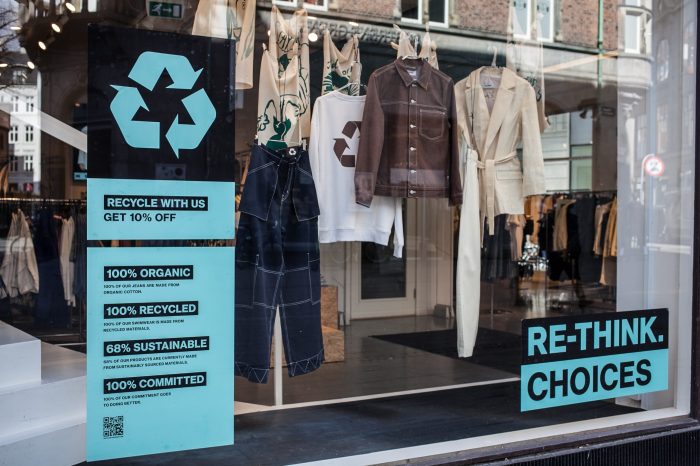
Living a green lifestyle involves making conscious choices to reduce our environmental impact and promote sustainability. By incorporating green living practices into our daily routines, we can help protect the planet and improve our overall well-being.
Practical Ways to Incorporate Green Living
- Reduce, Reuse, Recycle: Practice the 3 R’s to minimize waste and conserve resources.
- Use Energy-Efficient Appliances: Opt for appliances with high energy efficiency ratings to reduce electricity consumption.
- Compost Food Scraps: Create nutrient-rich compost for your garden by composting organic waste.
- Choose Eco-Friendly Transportation: Walk, bike, carpool, or use public transportation to reduce carbon emissions.
Benefits of Sustainable Living
- Environmental Protection: Reduce pollution, conserve natural resources, and support biodiversity.
- Cost Savings: Lower energy bills, reduced waste, and longer-lasting products can save money in the long run.
- Improved Health: Cleaner air, water, and food can lead to better health and well-being.
Tips for Reducing Energy Consumption and Waste
- Turn off Lights and Appliances: Save energy by turning off lights and unplugging electronics when not in use.
- Use Natural Lighting: Open curtains or blinds during the day to take advantage of natural light and reduce the need for artificial lighting.
- Water Conservation: Fix leaks, take shorter showers, and install water-saving fixtures to reduce water waste.
Eco-Friendly Products for Green Living
- Bamboo Products: Bamboo is a sustainable material that grows quickly and can be used for various products like utensils, furniture, and clothing.
- Reusable Water Bottles: Avoid single-use plastic bottles by using a reusable water bottle made of materials like stainless steel or glass.
- Organic Cotton Clothing: Choose clothing made from organic cotton, which is grown without harmful chemicals and pesticides.
Interior Design and Decorating
Sustainable interior design goes beyond just aesthetics; it focuses on creating spaces that are not only beautiful but also environmentally friendly and functional.
Enhancing Aesthetics and Functionality
- Choosing eco-friendly materials like reclaimed wood, bamboo, and recycled glass can add a unique touch to your decor while reducing your carbon footprint.
- Opt for furniture pieces that are multifunctional, such as storage ottomans or convertible sofa beds, to maximize space and usability.
- Incorporate natural elements like plants and natural fibers to create a calming and peaceful atmosphere in your home.
Choosing Eco-Friendly Materials
- Look for furniture and decor items made from sustainable materials like FSC-certified wood, organic cotton, and low-VOC paints to minimize harmful emissions.
- Consider using vintage or second-hand items to reduce waste and give your space a unique character.
- Invest in energy-efficient lighting options like LED bulbs and solar-powered fixtures to reduce electricity consumption.
Sustainable Design Trends for Different Rooms
- In the living room, opt for modular furniture that can be rearranged to suit different purposes and layouts.
- In the kitchen, choose energy-efficient appliances and durable materials like quartz countertops and bamboo flooring.
- In the bedroom, focus on creating a cozy and relaxing environment with organic bedding, non-toxic paint, and natural fiber rugs.
Importance of Natural Light and Ventilation
- Maximize natural light by using sheer curtains, skylights, and strategically placing mirrors to reflect light throughout the space.
- Promote airflow and ventilation by installing ceiling fans, opening windows, and incorporating indoor plants that purify the air.
- Natural light and ventilation not only enhance the visual appeal of a space but also contribute to the health and well-being of its occupants.
Bath and Shower
When it comes to creating a sustainable bathroom, one of the key areas to focus on is bath and shower products. By choosing eco-friendly options and incorporating water-saving fixtures, you can reduce your environmental impact while still enjoying a relaxing bathing experience.
Eco-Friendly Bath and Shower Products
- Opt for organic or natural bath products that are free from harsh chemicals and toxins. These products are not only better for your skin but also for the environment.
- Look for biodegradable packaging to further reduce waste and minimize your carbon footprint.
- Consider using refillable or bulk options to reduce single-use plastic and packaging waste.
Creating a Sustainable Bathroom Oasis
- Add plants to your bathroom to improve air quality and create a calming atmosphere.
- Use sustainable materials such as bamboo or reclaimed wood for shelving and storage solutions.
Water-Saving Fixtures and Technologies
- Consider installing a dual-flush toilet to reduce water usage and save on your water bill.
- Invest in a shower timer to help you keep track of your water usage and encourage shorter showers.
- Explore smart shower systems that regulate water flow and temperature to minimize waste.
Furniture
Choosing sustainable furniture is crucial for creating a greener home environment. Sustainable furniture helps reduce the negative impact on the environment by using eco-friendly materials and production processes.
Significance of Sustainable Furniture
- Opt for furniture made from reclaimed or recycled materials to minimize waste and promote sustainability.
- Look for pieces that are certified by reputable organizations like FSC (Forest Stewardship Council) for responsible sourcing of wood.
- Consider furniture that is durable and long-lasting to reduce the need for frequent replacements, which in turn decreases resource consumption.
Identifying High-Quality, Eco-Friendly Furniture
- Check for certifications like Cradle to Cradle, GREENGUARD, or EcoLogo to ensure the furniture meets strict environmental standards.
- Research the manufacturing process of the furniture to understand the use of non-toxic materials and sustainable practices.
- Look for furniture pieces that are locally produced to support the community and reduce carbon emissions from transportation.
Impact of Furniture Production on the Environment
- Furniture production contributes to deforestation, greenhouse gas emissions, and waste generation, highlighting the importance of choosing sustainable options.
- Chemicals used in traditional furniture production can harm the environment and human health, emphasizing the need for eco-friendly alternatives.
- By opting for sustainable furniture, individuals can play a role in reducing environmental degradation and promoting a healthier planet.
Incorporating Vintage or Second-Hand Furniture
- Upcycling vintage or second-hand furniture pieces can add character and uniqueness to modern interiors while reducing waste.
- Shopping at thrift stores, flea markets, or online platforms for pre-loved furniture allows for sustainable and budget-friendly decor options.
- Repurposing old furniture through DIY projects not only enhances creativity but also contributes to a more sustainable lifestyle.
House Plans
When it comes to sustainable living, house plans play a crucial role in promoting energy efficiency and resource conservation. By incorporating eco-friendly architectural features and focusing on orientation, insulation, and materials, sustainable house plans can significantly reduce environmental impact while providing a comfortable living space.
Eco-friendly Architectural Features
- Utilizing passive solar design to optimize natural light and heat gain.
- Incorporating green roofs or living walls to improve insulation and reduce stormwater runoff.
- Installing energy-efficient windows and doors to minimize heat loss.
- Using sustainable building materials such as bamboo flooring, reclaimed wood, or recycled glass.
Orientation, Insulation, and Materials
- Properly orienting the house to maximize natural light and ventilation, reducing the need for artificial lighting and air conditioning.
- Enhancing insulation in walls, roof, and floors to maintain indoor temperature and reduce energy consumption.
- Selecting materials with low embodied energy and high durability to minimize environmental impact and promote longevity.
Designing a Sustainable Home
- Consider your daily routine and habits to design a home that suits your lifestyle and values.
- Choose energy-efficient appliances and fixtures to reduce electricity and water consumption.
- Integrate smart home technology for better control over energy usage and environmental impact.
- Consult with sustainable architects or experts to explore innovative design solutions for a greener home.
Feng Shui
Feng Shui is an ancient Chinese practice that focuses on creating a harmonious environment to promote positive energy flow and balance in a living space. By incorporating Feng Shui principles into home design, you can enhance the overall well-being and harmony of your living space.
Incorporating Feng Shui into Home Design
When it comes to incorporating Feng Shui into your home design, there are several key elements to consider:
- Avoid clutter: Clutter can disrupt the flow of energy in your home. Keep your space organized and decluttered to allow for positive energy to circulate freely.
- Balance elements: Incorporate a balance of elements such as wood, fire, earth, metal, and water in your home decor to create a harmonious environment.
- Enhance natural light: Natural light is essential in Feng Shui as it represents positive energy. Maximize natural light in your home by using sheer curtains and placing mirrors strategically.
Feng Shui Adjustments for Different Areas of the Home
- Living Room: Place furniture in a circular arrangement to encourage conversation and promote positive energy flow.
- Bedroom: Position your bed diagonally across from the door to enhance relaxation and promote restful sleep.
- Kitchen: Keep the stove clean and well-maintained to symbolize prosperity and abundance in the home.
- Bathroom: Keep the bathroom door closed to prevent positive energy from escaping through the drains.
Heating and Air Conditioning
When it comes to creating a sustainable home, energy-efficient heating and cooling options play a crucial role in reducing environmental impact and energy costs. By incorporating eco-friendly HVAC systems, homeowners can achieve a comfortable indoor environment while minimizing their carbon footprint.
Energy-Efficient Heating and Cooling Options
- Invest in a high-efficiency heat pump or geothermal heating system to reduce energy consumption and reliance on fossil fuels.
- Consider installing a programmable thermostat to regulate temperature settings and optimize energy usage based on occupancy patterns.
- Explore ductless mini-split systems that provide targeted heating and cooling to specific areas of the home, reducing energy waste.
Tips for Reducing Energy Consumption
- Regularly maintain HVAC systems by cleaning filters, sealing ducts, and scheduling professional inspections to ensure optimal performance.
- Utilize natural ventilation during cooler months to reduce the need for mechanical cooling, promoting energy savings.
- Upgrade to energy-efficient windows and doors to minimize heat loss and improve insulation, enhancing overall energy efficiency.
Importance of Proper Insulation and Ventilation
Proper insulation and ventilation are essential components of an efficient heating and air conditioning system. By sealing air leaks, adding insulation in walls and attics, and ensuring adequate ventilation, homeowners can enhance comfort levels and reduce energy waste.
Smart Technologies for Optimizing Energy Usage
- Install smart thermostats that learn user preferences and adjust settings automatically to maximize energy efficiency.
- Explore zoning systems that allow for customized temperature control in different areas of the home, reducing energy consumption in unused spaces.
- Consider integrating HVAC systems with home automation devices to monitor energy usage, detect inefficiencies, and make real-time adjustments for optimal performance.
In conclusion, sustainable fashion brands offer a glimpse into a more responsible and ethical approach to clothing. By supporting these brands, you contribute to a more sustainable future for the fashion industry and the planet. Embrace eco-friendly style and make a difference with every fashion choice you make.
Questions Often Asked
Why is sustainable fashion important?
Sustainable fashion helps reduce the environmental impact of the clothing industry by promoting ethical practices and eco-friendly materials.
How do sustainable fashion brands differ from traditional fast fashion brands?
Sustainable fashion brands focus on ethical production, use of eco-friendly materials, and transparency in their supply chain, unlike fast fashion brands known for their rapid production and environmental harm.
What are some popular sustainable fashion brands?
Popular sustainable fashion brands include Patagonia, Reformation, and Stella McCartney, known for their commitment to sustainability and ethical practices.


