
Embark on a journey to discover the best shower tiles for bathrooms, exploring the importance of selection, types available, and design considerations to create the perfect oasis.
With a focus on enhancing aesthetics, functionality, and maintenance, this guide will equip you with the knowledge to elevate your bathroom experience.
Best shower tiles for bathrooms
Choosing the right shower tiles for bathrooms is crucial as they not only enhance the aesthetic appeal of the space but also play a significant role in durability and maintenance. With a wide range of options available in the market, it’s essential to consider various factors before making a decision.
Types of shower tiles
- Ceramic: Known for its versatility, durability, and affordability. Easy to clean but may chip or crack over time.
- Porcelain: Extremely durable and water-resistant, ideal for high-moisture areas like showers. Comes in a variety of designs and colors.
- Glass: Adds a modern and luxurious touch to the bathroom. Reflects light and creates a spacious feel, but may require more maintenance to prevent water spots.
- Natural Stone: Offers a unique and elegant look with variations in color and texture. Requires regular sealing to maintain its appearance.
Design considerations
When selecting shower tiles, it’s essential to consider factors like color, size, pattern, and texture.
- Color: Lighter colors can make a small bathroom feel more spacious, while darker colors add drama and sophistication.
- Size: Larger tiles can create a seamless look with fewer grout lines, while smaller tiles allow for more intricate patterns and designs.
- Pattern: Different tile layouts like subway, herringbone, or mosaic can add visual interest and personality to the shower area.
- Texture: Textured tiles provide slip resistance and add depth to the design, but may require more maintenance to keep clean.
Home Inspections
When conducting a home inspection, it is crucial to include a thorough assessment of the shower tiles in the bathroom. The condition of the shower tiles can provide valuable insights into the overall maintenance and upkeep of the property.
Significance of Shower Tile Inspections
- Inspecting shower tiles can help identify potential issues such as mold, cracks, and water damage, which may indicate underlying problems with the plumbing or waterproofing.
- By including shower tile inspections in the checklist, homebuyers can make informed decisions about the property and negotiate repairs or replacements if needed.
- Regular maintenance and inspection of shower tiles can prevent costly repairs in the future and ensure the longevity of the bathroom.
Tips for Inspecting Shower Tiles
- Look for signs of mold or mildew, especially in the grout lines or corners of the tiles. Mold growth can indicate poor ventilation or water leakage.
- Check for cracks or loose tiles, as they can allow water to seep through and cause damage to the subfloor or walls.
- Inspect the grout for any discoloration or crumbling, as damaged grout can lead to water infiltration and compromise the integrity of the tiles.
- Run a shower test to check for any leaks or drainage issues that may affect the functionality of the shower and surrounding tiles.
Role of Shower Tiles in Home Inspections
- Shower tiles play a significant role in determining the overall condition of a bathroom during a home inspection. They can indicate the level of care and maintenance that has been put into the property.
- The presence of well-maintained shower tiles can enhance the aesthetic appeal of the bathroom and add value to the property.
- Issues with shower tiles can raise red flags for potential buyers, highlighting the need for repairs or renovations to ensure the functionality and safety of the bathroom.
Kitchen Improvements
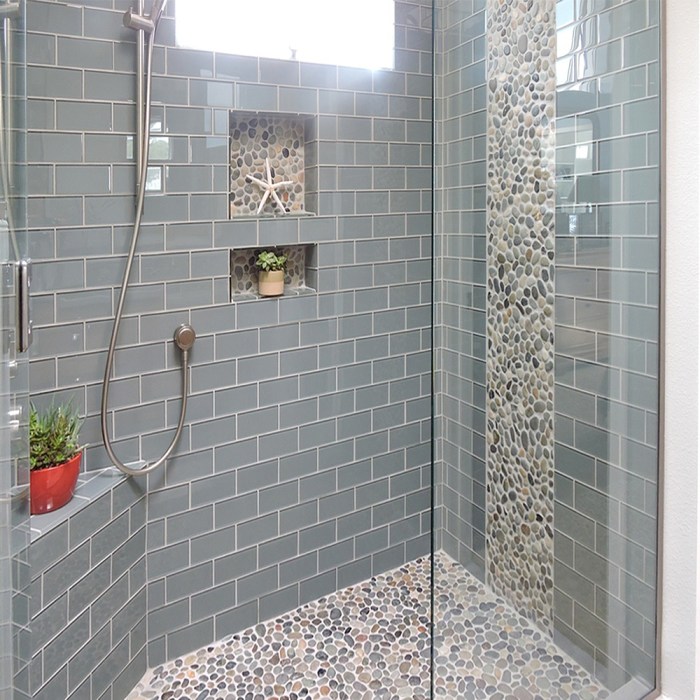
Updating shower tiles can greatly enhance the overall aesthetic appeal of a bathroom. The choice of tiles, their color, pattern, and texture can transform a dull space into a stylish and inviting retreat. By focusing on the shower area, you can create a focal point that ties the entire bathroom design together.
Budget-Friendly Ways to Improve Bathroom Look with Shower Tiles
Updating the shower tiles in your bathroom doesn’t have to break the bank. Here are some budget-friendly ways to improve the look of your bathroom through shower tile updates:
- Painting existing tiles: If your current tiles are in good condition but just need a refresh, consider painting them with tile paint. This can give them a whole new look at a fraction of the cost of replacement.
- Adding a decorative border: You can create a custom look by adding a decorative border of accent tiles to your existing shower tiles. This can add visual interest and a pop of color to the space without the need for a complete overhaul.
- Mixing and matching: Play with different tile shapes, sizes, and patterns to create a unique design. Mixing and matching tiles can add depth and dimension to your shower walls or floors without the need for expensive materials.
Comparison of Tile Installation Techniques for Shower Walls and Floors
When it comes to installing shower tiles, there are different techniques to consider based on the type of tiles and the desired look. Here is a comparison of some common tile installation techniques for shower walls and floors:
- Traditional mortar installation: This method involves applying mortar directly to the substrate and setting the tiles in place. It is a durable and long-lasting option but can be time-consuming and labor-intensive.
- Pre-mixed adhesive mat installation: Adhesive mats eliminate the need for mixing mortar on-site and provide a quicker and cleaner installation process. They are ideal for DIY projects and can be a cost-effective option.
- Groutless tile installation: Some tiles come with built-in grout lines or have interlocking edges that eliminate the need for traditional grout. This can create a sleek and modern look while reducing maintenance requirements.
Home Improvement and Furniture
When it comes to choosing shower tiles for your bathroom, it’s essential to consider how they will complement or clash with your existing bathroom furniture. The right choice can tie the room together seamlessly, while the wrong choice can create a jarring visual effect.
Coordinating Shower Tile Colors and Patterns
When selecting shower tiles, think about the colors and patterns that will work well with your bathroom furniture. For a cohesive look, consider matching the tile colors to the hues in your furniture or using complementary colors for a visually appealing contrast. Additionally, choose patterns that complement the style of your furniture to create a harmonious overall design.
- Match tile colors to bathroom furniture hues for a cohesive look.
- Consider using complementary colors for a visually appealing contrast.
- Choose patterns that complement the style of your furniture.
Incorporating Furniture-like Elements in Bathroom Design
Get creative with your bathroom design by incorporating furniture-like elements using shower tiles. For example, you can use tiles that mimic the look of wood or marble to create a luxurious spa-like atmosphere. You can also consider adding tile accents that resemble cabinet panels or decorative molding to give your bathroom a touch of elegance.
- Use tiles that mimic wood or marble for a luxurious spa-like feel.
- Add tile accents resembling cabinet panels or decorative molding for elegance.
- Experiment with different tile shapes and textures to create unique furniture-inspired designs.
Flooring
When it comes to selecting tiles for shower flooring, there are key differences compared to wall tiles. Shower floor tiles need to be durable, slip-resistant, and water-resistant to withstand the constant exposure to water and foot traffic in the bathroom.
Material Differences
- Shower floor tiles are usually made of materials like porcelain, ceramic, or natural stone, which are more slip-resistant compared to wall tiles.
- Wall tiles, on the other hand, can be made of a wider range of materials, including glass and metal, which may not be suitable for shower floors due to their slipperiness when wet.
Selecting Durable and Water-Resistant Tiles
- Opt for tiles with a textured surface or matte finish to improve slip resistance in the shower area.
- Choose tiles with a low absorption rate to prevent water damage and mold growth over time.
- Consider large-format tiles or mosaic tiles for shower floors, as they offer better traction and are easier to clean.
Popular Designs and Layouts
- Herringbone pattern: A classic design that adds visual interest to the shower floor.
- Pebble tiles: Mimic the look of a pebble-strewn riverbed, providing a natural and spa-like feel to the bathroom.
- Hexagonal tiles: A trendy choice for modern bathrooms, offering a unique and contemporary look.
Green Living
In today’s world, it is becoming increasingly important to incorporate eco-friendly practices into our daily lives. This includes choosing sustainable and energy-efficient options for our homes, such as shower tiles that have a minimal impact on the environment.When it comes to selecting shower tiles for your bathroom, there are several eco-friendly options to consider. These options not only help reduce your carbon footprint but also promote a healthier living environment for you and your family.
Let’s explore some of the eco-friendly shower tile options and how they can contribute to green living principles in your home.
Eco-Friendly Shower Tile Options
- Bamboo tiles: Bamboo is a rapidly renewable resource that can be used to create beautiful and durable shower tiles. Bamboo tiles are resistant to moisture and mold, making them an excellent choice for bathrooms.
- Recycled glass tiles: Made from recycled glass bottles and other glass products, recycled glass tiles are a sustainable option for shower walls. They come in a variety of colors and styles, adding a unique touch to your bathroom design.
- Porcelain tiles: Porcelain tiles are known for their durability and low maintenance requirements. Look for porcelain tiles that are certified as environmentally friendly, as they are made using sustainable production processes.
Interior Design and Decorating
Shower tiles play a significant role in transforming the overall look and feel of a bathroom. They can serve as a focal point in bathroom interior design, enhancing the aesthetic appeal and functionality of the space.
Creating Specific Design Styles
Shower tiles offer endless possibilities when it comes to creating specific design styles in a bathroom. For a modern look, sleek and minimalistic tiles in neutral colors like white or grey can be used. Traditional design styles can be achieved with intricate patterns and earthy tones, while eclectic styles can incorporate a mix of bold colors and unique tile shapes.
Adding Texture, Color, and Visual Interest
Shower tiles are a versatile element that can add texture, color, and visual interest to bathroom decor. Textured tiles can create depth and dimension, while vibrant colors can add a pop of personality to the space. Mixing and matching different tile patterns can also create a visually dynamic look that enhances the overall design of the bathroom.
Bath and Shower
When it comes to selecting shower tiles for your bathroom, it is crucial to choose ones that are water-resistant and easy to clean. This not only ensures the longevity of your tiles but also makes maintenance a breeze, keeping your shower looking fresh and new.
Importance of Water-Resistant Tiles
Water-resistant tiles are essential for the shower area as they are constantly exposed to moisture. Opt for materials like ceramic, porcelain, or glass tiles that are specifically designed to withstand water and humidity.
Maintenance Tips for Shower Tiles
- Regularly clean the tiles with a mild detergent and water solution to prevent mold and mildew buildup.
- Use a squeegee to remove excess water after each shower to prevent water spots and mineral deposits.
- Avoid harsh cleaning chemicals that can damage the tiles and grout, opting for gentle cleaners instead.
- Seal the grout lines annually to protect them from moisture and dirt infiltration.
Grout Options for Sealing Shower Tiles
Grout plays a vital role in sealing shower tiles and preventing water damage. Consider the following options for effectively sealing your shower tiles:
| Grout Type | Features |
|---|---|
| Epoxy Grout | Durable, stain-resistant, and water-repellent. Ideal for high-moisture areas like showers. |
| Cementitious Grout | Easy to work with and available in a variety of colors. Requires sealing to prevent water absorption. |
| Acrylic Grout | Flexible, resistant to mold and mildew, and easy to clean. Not as durable as epoxy grout. |
Furniture
Shower tiles can be a versatile element in creating custom shelving and storage solutions in the bathroom. Their durability and water resistance make them a great choice for furniture-like elements in a wet environment.
Custom Shelving and Storage
Shower tiles can be used to create built-in shelves or niches within the shower area to store toiletries, towels, or other bathroom essentials. These shelves can be customized in size and design to fit the specific needs of the user.
Innovative Furniture-like Elements
Consider using shower tiles to create a vanity or countertop space in the bathroom. By using tiles with a smooth surface, you can achieve a sleek and modern look that mimics traditional furniture pieces. This can be a unique way to add functional surfaces to the bathroom.
Integrated Seating or Benches
Shower tiles can also be utilized to create integrated seating or benches in a shower area. Whether it’s a small corner seat or a built-in bench along the wall, tiles can provide a comfortable and waterproof solution for seating in the shower.
House Plans
When designing house plans, it is crucial to consider the selection of shower tiles as they play a significant role in the overall aesthetics and functionality of a bathroom space. The right choice of shower tiles can enhance the design of the bathroom and contribute to a cohesive look throughout the house.
Coordinating Shower Tile Choices with House Design
- Consider the overall style of the house: Whether it is modern, traditional, or minimalistic, choose shower tiles that complement the existing design elements.
- Match the color palette: Ensure that the color of the shower tiles coordinates with the colors used in other areas of the house for a harmonious look.
- Texture and finish: Select shower tiles with textures and finishes that align with the design theme of the house, whether it is sleek and glossy or rustic and matte.
Impact of Shower Tile Layouts on Bathroom Functionality
- Tile size and layout: The size and layout of shower tiles can affect the perceived size of the bathroom. Larger tiles can make a small bathroom appear more spacious, while intricate patterns can add visual interest.
- Grout lines: The choice of grout color and width can impact the maintenance and cleanliness of the bathroom. Dark grout can hide stains better, while wider grout lines may require more frequent cleaning.
- Accessibility and safety: Consider the slip resistance of the shower tiles to ensure safety, especially for households with children or elderly members. Additionally, the layout should allow for easy access and movement within the shower space.
Feng Shui
Incorporating Feng Shui principles into the design of your bathroom, specifically when choosing shower tiles, can create a harmonious and balanced space that promotes positive energy flow.When it comes to shower tiles in Feng Shui, the color and material selection are crucial factors to consider. Different colors and materials resonate with specific elements and energies according to Feng Shui guidelines.
For example, earth tones like beige and terracotta can create a grounding effect, while blues and greens represent water elements that promote relaxation and tranquility.
Significance of Color and Material Selection
- Choose colors that align with the energy you want to cultivate in your bathroom. For example, light colors can make the space feel more open and airy, while darker colors can create a sense of intimacy and warmth.
- Opt for natural materials like stone or ceramic for shower tiles, as they are believed to have a grounding effect and bring a sense of stability to the space.
- Avoid sharp angles and harsh lines in tile patterns, as they can disrupt the flow of energy in the bathroom. Opt for curved or flowing designs instead.
Tips for Arranging Shower Tiles
- Consider the Bagua map when placing your shower tiles. The Bagua map divides the space into nine areas, each representing different aspects of life. Place tiles in colors and patterns that correspond to the specific area you want to enhance.
- Ensure that the tiles are well-maintained and free of clutter or dirt, as cleanliness is essential in promoting positive energy flow according to Feng Shui principles.
- Integrate elements of nature into your shower tile design, such as incorporating plants or natural motifs, to further enhance the connection to the natural world and promote a sense of balance and harmony.
Heating and Air Conditioning
Shower tiles play a crucial role in maintaining optimal temperature and humidity levels in the bathroom. The choice of tiles can impact how well the heating and air conditioning systems work to keep the space comfortable.
Underfloor Heating Systems
Underfloor heating systems are a popular choice for shower areas as they provide a luxurious and efficient way to keep the space warm. When selecting tiles for a shower with underfloor heating, it’s important to choose materials that can conduct heat effectively without compromising comfort or safety.
- Ceramic Tiles: Ceramic tiles are a common choice for shower areas and work well with underfloor heating systems. They heat up quickly and retain warmth, providing a comfortable shower experience.
- Porcelain Tiles: Porcelain tiles are another good option for underfloor heating as they are durable and have excellent heat retention properties. They can help maintain a consistent temperature in the shower area.
- Natural Stone Tiles: Natural stone tiles, such as marble or slate, can also be used with underfloor heating systems. While they may take longer to heat up, they can retain warmth well and add a touch of elegance to the space.
It’s essential to consult with a professional to ensure that the chosen tiles are compatible with the underfloor heating system to prevent any damage or safety hazards.
In conclusion, selecting the best shower tiles for bathrooms is a crucial decision that can transform your space into a sanctuary. With a plethora of options available, make sure to consider your preferences and practical needs to achieve the bathroom of your dreams.
Clarifying Questions
What are the best materials for shower tiles?
Ceramic, porcelain, glass, and natural stone are popular choices, each with their own pros and cons.
How do I choose the right size and pattern for shower tiles?
Consider the size of your bathroom and personal style preferences to determine the best fit.
Are all shower tiles water-resistant?
Not all tiles are water-resistant, so it’s important to select materials designed for wet environments.
Can shower tiles be easily replaced if damaged?
Depending on the installation method, damaged tiles can usually be replaced without extensive renovation.


