
As Best shower cleaners for tile and grout take the spotlight, this opening passage invites readers into a realm of expertise, ensuring an informative and engaging read.
The following paragraph will delve into the specifics of chemical vs. natural cleaners, top-rated products for mold and mildew, and the benefits of steam cleaners.
Best Shower Cleaners for Tile and Grout
When it comes to keeping your shower clean, choosing the right cleaner for your tile and grout is essential. There are various options available, from chemical-based cleaners to natural alternatives. Let’s compare and contrast the effectiveness of these different types of cleaners.
Chemical vs. Natural Cleaners
Chemical cleaners are often more effective at breaking down tough stains and killing bacteria and mold. They contain powerful ingredients that can quickly remove soap scum, hard water deposits, and mildew. However, they may also contain harsh chemicals that can be harmful to your health and the environment.
On the other hand, natural cleaners are safer and more eco-friendly. They use ingredients like vinegar, baking soda, and essential oils to clean and disinfect. While they may not be as strong as chemical cleaners, they are still effective at removing dirt and grime without toxic fumes.
Top-Rated Shower Cleaners for Mold and Mildew
- Clorox Plus Tilex Mold and Mildew Remover: This powerful cleaner is specifically formulated to tackle tough mold and mildew stains on tile and grout.
- Method Daily Shower Cleaner: A natural cleaner that helps prevent soap scum and mildew buildup with regular use.
- Tilex Mold and Mildew Remover Spray: Another effective option for removing mold and mildew stains in the shower.
Benefits of Using Steam Cleaners
Steam cleaners are a great alternative to chemical cleaners for tile and grout. They use hot steam to penetrate and loosen dirt, grime, and mildew without the need for harsh chemicals. Steam cleaning not only cleans surfaces effectively but also sanitizes them by killing bacteria and germs.
Home Inspections
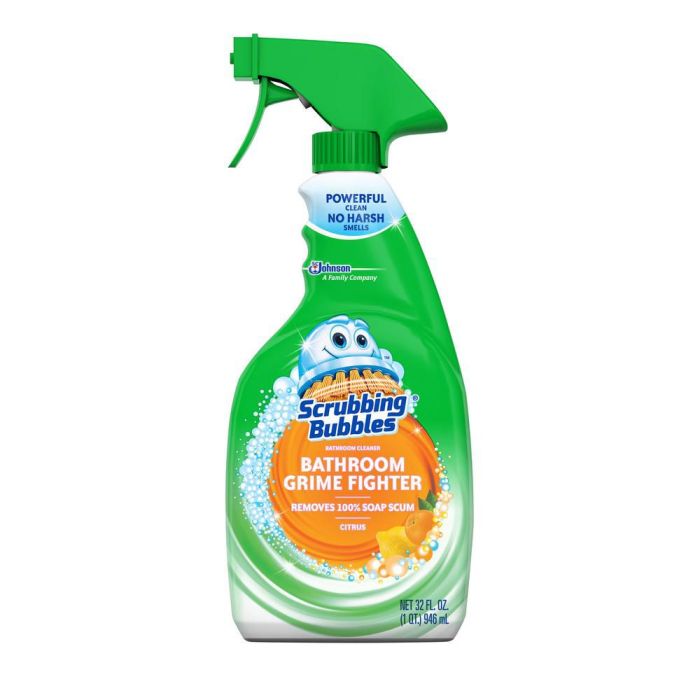
Regular home inspections are crucial for maintaining a safe and healthy living environment. By identifying issues early on, homeowners can prevent costly repairs and ensure the safety of their families.
Key Areas for Inspection
- Roof: Check for missing or damaged shingles, signs of leaks, and ensure proper ventilation.
- Foundation: Look for cracks, water damage, and signs of settling.
- Plumbing: Inspect for leaks, water pressure issues, and proper drainage.
- Electrical System: Check for outdated wiring, overloaded circuits, and safety hazards.
- HVAC System: Ensure proper functioning, clean filters, and adequate ventilation.
Common Issues and Solutions
- Leaky Roof: Repair damaged shingles, seal gaps, and improve attic ventilation to prevent future leaks.
- Foundation Cracks: Fill cracks with epoxy or polyurethane injections, and address underlying drainage issues.
- Plumbing Leaks: Replace worn-out seals, fix leaking pipes, and insulate exposed pipes to prevent freezing.
- Electrical Hazards: Update outdated wiring, install GFCI outlets, and avoid overloading circuits.
- Mold and Mildew: Clean and treat affected areas with mold-killing solutions, improve ventilation, and repair leaks.
Kitchen Improvements
When it comes to improving the functionality and aesthetic appeal of a kitchen space, there are several innovative ideas to consider. From smart storage solutions to energy-efficient appliances, the possibilities are endless.
Selecting Durable and Stylish Kitchen Countertops
Choosing the right kitchen countertops is essential for both durability and style. Here are some tips to help you make the best decision:
- Consider the material: Opt for materials like granite, quartz, or marble for durability.
- Pick a style that complements your kitchen design: Whether you prefer a modern or traditional look, choose a countertop that enhances the overall aesthetic.
- Think about maintenance: Select a countertop that is easy to clean and maintain for long-lasting beauty.
Latest Trends in Kitchen Design
Staying up-to-date with the latest trends can help you create a modern and functional kitchen space. Here are some trends to consider incorporating into your home:
- Open shelving: Replace upper cabinets with open shelves to create a more spacious and airy feel.
- Smart appliances: Invest in smart appliances that offer convenience and efficiency in the kitchen.
- Statement lighting: Add a touch of style with statement lighting fixtures that serve as both functional and decorative elements.
Home Improvement and Furniture
When embarking on home improvement projects, it’s essential to consider how furniture choices can impact the overall aesthetic of your space. The right furniture can enhance the style and functionality of a room, while the wrong choices can detract from the design and flow of your home.
Connection Between Home Improvement Projects and Furniture Selection
Choosing the right furniture is crucial when completing a home improvement project. The style, color, and material of your furniture should complement the new design elements you’ve introduced to your space. For example, if you’ve updated your living room with a modern aesthetic, opting for sleek, minimalist furniture will help tie the room together.
Enhancing or Detracting from Home’s Aesthetic
- Consider the overall theme of your home improvement project when selecting furniture. Match traditional furniture with classic home designs, while modern furniture suits contemporary spaces.
- Ensure that the scale of your furniture fits the size of the room. Oversized furniture can make a space feel cramped, while small furniture can get lost in a large room.
- Pay attention to the color palette of your home. Choose furniture that complements the existing colors or adds a pop of contrast for visual interest.
Recommendations for Furniture Pieces
- For a rustic home improvement style, consider wooden furniture with distressed finishes for a cozy and inviting feel.
- Incorporate mid-century modern furniture pieces for a retro-inspired home improvement project, adding a touch of nostalgia to your space.
- Opt for modular furniture for a contemporary home design, allowing for flexibility and customization to suit your evolving needs.
Flooring
When it comes to choosing the right flooring for your home, there are several factors to consider, including durability, maintenance, and style. Different types of flooring materials offer varying levels of durability and require different maintenance routines. Hardwood flooring and carpeting are two popular options with their own set of benefits and considerations. Here, we will compare various types of flooring materials, discuss the benefits of hardwood flooring versus carpeting in different areas of the home, and share tips for choosing the best flooring option for a specific room based on usage and style preferences.
Comparing Flooring Materials
- Hardwood Flooring: Known for its durability and timeless appeal, hardwood flooring is a popular choice for many homeowners. It can last for decades with proper care and maintenance, making it a long-term investment. However, hardwood flooring may require refinishing over time to maintain its appearance.
- Laminate Flooring: Offering the look of hardwood at a more affordable price point, laminate flooring is easy to clean and maintain. It is also resistant to scratches and dents, making it a practical choice for high-traffic areas.
- Tile Flooring: Tile flooring is durable, water-resistant, and available in a variety of styles and designs. It is a popular choice for kitchens and bathrooms due to its easy maintenance and ability to withstand moisture.
- Carpet Flooring: Carpeting provides warmth and comfort underfoot, making it a cozy option for bedrooms and living areas. However, carpeting may require more frequent cleaning and maintenance compared to hard surfaces.
Benefits of Hardwood Flooring vs. Carpeting
- Hardwood Flooring: Easy to clean and maintain, hardwood flooring is a versatile option that can complement a variety of interior styles. It is ideal for areas with high foot traffic, such as living rooms and hallways, as it is resistant to wear and tear.
- Carpeting: Carpet flooring offers insulation and soundproofing properties, making it a comfortable choice for bedrooms and family rooms. However, it may not be suitable for areas prone to spills or moisture, such as kitchens and bathrooms.
Choosing the Best Flooring Option
- Consider the room’s function and traffic flow: Choose durable flooring options for high-traffic areas and more comfortable options for bedrooms and living spaces.
- Take style preferences into account: Select flooring materials that complement the overall aesthetic of your home, whether you prefer a modern, rustic, or traditional look.
- Think about maintenance requirements: Factor in the time and effort needed to clean and maintain different types of flooring, especially if you have pets or young children.
Green Living
Green living is a lifestyle that focuses on reducing our environmental impact by making choices that are eco-friendly and sustainable. This concept can be incorporated into home design by using energy-efficient appliances, installing solar panels, using recycled materials, and reducing water consumption.
Environmental Benefits of Eco-Friendly Materials
Using eco-friendly materials in home construction and renovation can have numerous environmental benefits. These materials are often made from renewable resources, produce less waste during manufacturing, and have a lower carbon footprint. For example, using bamboo flooring instead of hardwood can help preserve forests, while choosing low VOC paint can improve indoor air quality.
Examples of Green Living Practices
- Installing a programmable thermostat to reduce energy consumption and lower heating and cooling costs.
- Using energy-efficient LED light bulbs to save electricity and reduce greenhouse gas emissions.
- Composting food scraps to reduce waste sent to landfills and create nutrient-rich soil for gardening.
- Harvesting rainwater for outdoor irrigation to conserve water and reduce reliance on municipal sources.
Interior Design and Decorating
Interior design plays a crucial role in creating a harmonious and inviting living space. It involves the arrangement of furniture, color schemes, lighting, and decorative elements to enhance the overall look and feel of a home.
Latest Trends in Interior Design
- Minimalism: Clean lines, open spaces, and a clutter-free environment are key components of this trend.
- Natural Elements: Incorporating elements such as wood, stone, and plants to bring a sense of nature indoors.
- Statement Lighting: Eye-catching light fixtures that serve as both functional and decorative pieces.
- Mixed Metals: Combining different metal finishes like brass, copper, and stainless steel for a modern and eclectic look.
Creating a Cohesive Design Scheme
- Choose a consistent color palette that flows seamlessly from room to room.
- Coordinate furniture styles and finishes to maintain a cohesive look throughout the home.
- Use rugs, artwork, and accessories to tie different spaces together and create a sense of unity.
Role of Color, Texture, and Lighting
- Color: Colors can evoke different emotions and set the tone for a room. Warm tones create a cozy atmosphere, while cool tones promote a sense of calmness.
- Texture: Incorporating a variety of textures like velvet, leather, and wood adds depth and visual interest to a space.
- Lighting: Proper lighting is essential for creating ambiance and highlighting key features in a room. Layering different types of lighting, such as overhead, task, and accent lighting, can enhance the overall look.
Bath and Shower
When it comes to creating a relaxing and functional bathroom space, the right shower fixtures and accessories play a crucial role. From choosing the perfect shower head to selecting the best storage solutions, every detail matters.
Choosing the Right Shower Fixtures and Accessories
Creating the perfect shower experience starts with selecting the right fixtures and accessories. Consider factors such as water pressure, style preferences, and any special features like massaging jets or rainfall shower heads. Opt for durable materials that are easy to clean and maintain.
- Invest in a high-quality shower head that offers different spray settings for a customizable experience.
- Choose coordinating hardware and accessories, such as towel bars, shelves, and soap dishes, to create a cohesive look.
- Install a shower caddy or niche to keep bath products organized and easily accessible.
Incorporating a Spa-like Atmosphere
Transforming your bathroom into a spa-like retreat can enhance your daily routine and promote relaxation. By incorporating soothing elements and luxurious touches, you can create a tranquil oasis right at home.
- Consider adding a steam shower or whirlpool tub for a truly indulgent experience.
- Choose calming colors, soft lighting, and natural materials to create a peaceful ambiance.
- Incorporate scented candles, essential oils, and plush towels to elevate the spa-like atmosphere.
Organizing Bath and Shower Products
Maximizing space and functionality in the bath and shower area is essential for maintaining a clutter-free environment. With the right organization strategies, you can keep your products neatly arranged and easily accessible.
- Utilize shower caddies, tension rods, and wall-mounted shelves to create additional storage space.
- Group similar items together and use clear containers or labels to easily identify products.
- Regularly declutter and discard expired or unused items to keep the space tidy and efficient.
House Plans
When it comes to building your dream home, selecting the right house plan is crucial to ensure that your living space perfectly suits your lifestyle and needs. A well-designed house plan can enhance functionality, flow, and comfort in your home, making it a place that truly reflects your personality and preferences.
Key Elements in Designing a Custom House Plan
Creating a custom house plan allows you to tailor every aspect of your home to your specific requirements and taste. Here are some key elements to consider when designing a custom house plan:
- Layout: Determine the ideal layout of your home, considering factors like room placement, flow, and functionality.
- Size: Decide on the size of your home based on your family’s needs, lifestyle, and future plans.
- Architectural Style: Choose an architectural style that resonates with your personal taste and complements the surrounding environment.
- Outdoor Spaces: Plan for outdoor spaces like patios, decks, or gardens to enhance your living experience.
- Energy Efficiency: Incorporate energy-efficient features and sustainable design practices to reduce environmental impact and save on utility costs.
Resources for Pre-Designed House Plans
If designing a custom house plan from scratch seems daunting, you can explore pre-designed house plans that can be customized to fit your preferences. Here are some resources where you can find pre-designed house plans:
- Online House Plan Websites: Websites like Architectural Designs, Houseplans.com, and The Plan Collection offer a wide range of pre-designed house plans that can be customized to suit your needs.
- Local Architects and Designers: Consult with local architects and designers who may have pre-designed plans or can create custom designs based on your requirements.
- Home Design Magazines: Browse through home design magazines for inspiration and to discover pre-designed house plans that appeal to you.
Feng Shui
Feng Shui is an ancient Chinese practice that focuses on creating harmony and balance in living spaces to improve the flow of energy. By incorporating Feng Shui principles into your home, you can enhance the overall well-being of its inhabitants and promote positive energy throughout the space.
Common Feng Shui Techniques
- Clear Clutter: Removing clutter from your home is essential in Feng Shui as it allows for the free flow of energy. Decluttering not only creates a sense of space but also promotes a sense of calm and relaxation.
- Balance Elements: In Feng Shui, it is important to balance the five elements – wood, fire, earth, metal, and water. Each element represents different aspects of life and by incorporating them properly, you can create a harmonious environment.
- Enhance Natural Light: Natural light is a key element in Feng Shui as it brings positive energy into a space. Make sure to open windows, use light-colored curtains, and incorporate mirrors to reflect light throughout the room.
- Use Plants: Plants are believed to bring life and vitality to a space in Feng Shui. Choose plants with rounded leaves and place them strategically to enhance energy flow and promote well-being.
Incorporating Feng Shui Elements into Home Decor
- Color Palette: Choose colors based on the Feng Shui elements to create a balanced and harmonious environment. For example, blues and greens represent water and wood, while reds and oranges symbolize fire.
- Furniture Placement: Arrange furniture in a way that promotes the flow of energy throughout the room. Avoid placing furniture in direct line with doors or windows and create a clear pathway for energy to circulate.
- Mirrors: Mirrors are essential in Feng Shui as they reflect and amplify energy. Use mirrors strategically to enhance natural light, expand space, and create a sense of harmony.
- Aromatherapy: Incorporate scents like lavender, citrus, or eucalyptus to promote relaxation and positive energy in your home. Aromatherapy can help create a calming atmosphere and improve well-being.
Heating and Air Conditioning
When it comes to heating and air conditioning systems for homes, there are various options available, each with its own efficiency levels and costs. It is important to understand the differences between these systems to make an informed decision for your home. Regular maintenance of heating and air conditioning units is crucial to ensure they function properly and efficiently. Neglecting maintenance can lead to decreased efficiency, higher energy bills, and potential breakdowns.
By implementing energy-efficient practices, you can not only reduce your utility costs but also contribute to a greener environment.
Comparing Heating and Cooling Systems
- Gas Furnaces: Gas furnaces are known for their efficiency and cost-effectiveness. They provide consistent heating and are relatively low in maintenance compared to other systems.
- Heat Pumps: Heat pumps are versatile systems that can both heat and cool your home. While they are energy-efficient, they may have higher upfront costs.
- Central Air Conditioning: Central AC systems are popular for cooling homes efficiently. They require regular maintenance to ensure optimal performance.
Importance of Regular Maintenance
- Regular maintenance helps identify and address potential issues before they escalate, saving you from costly repairs.
- Proper maintenance ensures that your heating and cooling systems operate efficiently, reducing energy consumption and extending their lifespan.
- Professional maintenance services can also improve indoor air quality by cleaning and optimizing your systems.
Tips for Improving Energy Efficiency
- Keep air filters clean and replace them regularly to maintain optimal airflow and efficiency.
- Program your thermostat to adjust temperatures based on your schedule, reducing energy usage when you are away or asleep.
- Ensure your home is well-insulated to prevent heat loss in winter and cool air escape in summer.
In conclusion, this discussion has shed light on the best shower cleaners for tile and grout, offering insights and recommendations to keep your bathroom sparkling clean.
Question & Answer Hub
Are natural cleaners as effective as chemical ones?
Natural cleaners can be just as effective, especially for those looking to avoid harsh chemicals in their cleaning routine.
What are the benefits of using steam cleaners for tile and grout?
Steam cleaners offer a chemical-free way to deep clean and sanitize grout and tiles, making them a safe and eco-friendly option.


