
Embark on a journey towards sustainable living with Eco-friendly house plans, exploring innovative design concepts and practical tips to create an environmentally conscious home.
Eco-friendly House Plans
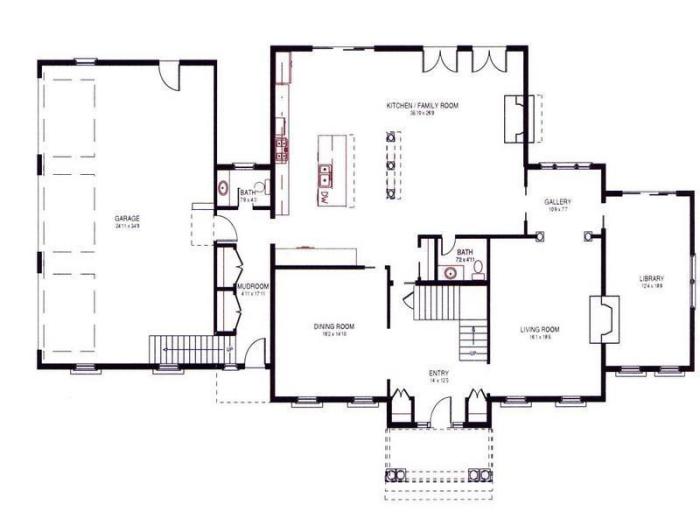
When it comes to eco-friendly house plans, the focus is on creating sustainable and energy-efficient homes that have minimal impact on the environment. These plans often incorporate elements like passive solar design, natural ventilation, and the use of recycled or renewable materials.
Sustainable Materials Used in Eco-friendly House Plans
Examples of sustainable materials commonly used in eco-friendly house plans include:
- Bamboo: A fast-growing and renewable resource that can be used for flooring, cabinetry, and furniture.
- Recycled glass: Used for countertops, tiles, and decorative elements.
- Reclaimed wood: Salvaged from old buildings or structures and repurposed for flooring, beams, or siding.
- Solar panels: Harnessing the power of the sun to generate electricity for the home.
Benefits of Implementing Eco-friendly Elements in House Designs
Implementing eco-friendly elements in house designs offers several benefits, including:
- Reduced energy consumption and lower utility bills.
- Improved indoor air quality and overall health of occupants.
- Less reliance on fossil fuels and reduced carbon footprint.
- Long-term cost savings and increased property value.
Comparison of Traditional House Plans with Eco-friendly House Plans in Terms of Energy Efficiency
When comparing traditional house plans with eco-friendly house plans in terms of energy efficiency, it’s clear that eco-friendly designs come out on top. Features like improved insulation, energy-efficient appliances, and passive solar design help reduce energy consumption and lower utility bills in eco-friendly homes. In contrast, traditional homes may rely more heavily on artificial heating and cooling systems, resulting in higher energy usage and costs.
Home Inspections
Regular home inspections are crucial for maintaining a safe and healthy living environment. By identifying potential issues early on, homeowners can prevent costly repairs and ensure the overall well-being of their home.
Areas to Inspect During a Home Inspection
- Roof: Check for any missing or damaged shingles, signs of leaks, or sagging areas.
- Foundation: Look for cracks, water damage, or signs of settlement.
- Plumbing: Inspect for leaks, water pressure issues, and proper drainage.
- Electrical: Check for any exposed wiring, outdated systems, or malfunctioning outlets.
- HVAC System: Ensure proper functioning, clean filters, and adequate ventilation.
Common Issues Found During Home Inspections
- Water Damage: Whether from leaks, poor drainage, or plumbing issues, water damage can lead to mold growth and structural problems.
- Pest Infestations: Insects, rodents, and other pests can cause damage to the home and pose health risks.
- Electrical Problems: Outdated wiring, overloaded circuits, or faulty outlets can be fire hazards.
Tips for Preparing for a Home Inspection
- Clean and Declutter: Make sure the inspector has easy access to all areas of the home.
- Address Minor Repairs: Fix leaky faucets, replace broken light bulbs, and repair any cosmetic issues.
- Gather Documentation: Have maintenance records, warranties, and permits on hand for the inspector.
Kitchen Improvements
When it comes to creating an eco-friendly kitchen, there are several key improvements you can make to reduce your environmental footprint while still enjoying a functional space for cooking and dining. From energy-efficient appliances to sustainable materials, these changes can have a significant impact on both your carbon footprint and your utility bills.
Energy-Efficient Appliances and Water-Saving Fixtures
- Invest in ENERGY STAR certified appliances that are designed to use less energy and water compared to traditional models.
- Opt for induction cooktops and convection ovens, which are more energy-efficient than their conventional counterparts.
- Install low-flow faucets and aerators to reduce water usage without compromising water pressure.
- Consider a dishwasher with a sensor that adjusts the water usage based on the load size, saving water with each cycle.
Impact of Sustainable Materials in Kitchen Renovations
- Choose cabinets made from sustainably sourced wood or recycled materials to minimize the environmental impact of your kitchen renovation.
- Opt for countertops made from recycled glass, bamboo, or reclaimed wood to reduce the use of virgin materials.
- Select flooring materials like bamboo, cork, or reclaimed hardwood, which are eco-friendly and durable options for a sustainable kitchen space.
- Use non-toxic paints and finishes to improve indoor air quality and reduce harmful emissions in your kitchen.
Designing a Functional and Environmentally Friendly Kitchen Space
- Maximize natural light by incorporating large windows or skylights to reduce the need for artificial lighting during the day.
- Create a layout that promotes efficient workflow and reduces energy consumption by minimizing unnecessary movements between appliances and work areas.
- Include ample storage solutions to keep your kitchen organized and clutter-free, making it easier to maintain a clean and eco-friendly space.
- Integrate recycling and composting bins into your kitchen design to encourage sustainable waste management practices.
Budget-Friendly Ways to Upgrade a Kitchen While Being Eco-Conscious
- Consider upcycling or repurposing existing materials and furniture to give your kitchen a fresh look without contributing to landfill waste.
- Shop for second-hand appliances or look for local suppliers that offer eco-friendly options at affordable prices.
- Focus on energy-saving upgrades like LED lighting and smart thermostats that can help reduce your utility bills in the long run.
- DIY projects like painting cabinets or installing a backsplash can be cost-effective ways to refresh your kitchen while staying eco-conscious.
Home Improvement and Furniture
When it comes to creating a more sustainable home, focusing on home improvement projects and choosing eco-friendly furniture are crucial steps in reducing environmental impact and promoting a greener lifestyle.
Sustainable Home Improvement Projects
Embarking on sustainable home improvement projects not only enhances the aesthetics of your living space but also helps reduce energy consumption and waste production. Here are some projects to consider:
- Installing energy-efficient windows and doors to improve insulation and reduce heating and cooling costs.
- Upgrading to LED lighting fixtures to lower energy usage and increase longevity.
- Implementing a rainwater harvesting system to collect and reuse rainwater for landscaping and other purposes.
Importance of Choosing Eco-Friendly Furniture
Opting for eco-friendly furniture is essential in creating a sustainable home environment. By choosing furniture made from responsibly sourced materials and produced using eco-conscious practices, you can minimize your carbon footprint and support environmentally friendly businesses.
Tips on Upcycling or Repurposing Old Furniture
Instead of discarding old furniture, consider upcycling or repurposing them to give them a new life and reduce waste. Here are some tips:
- Repaint or refinish old furniture to match your current decor style.
- Convert an old dresser into a stylish bathroom vanity.
- Use old wooden crates as shelves or storage units.
Comparing Traditional Furniture Materials with Eco-Friendly Alternatives
When choosing furniture materials, consider the sustainability of the resources used. Here’s a comparison between traditional furniture materials and eco-friendly alternatives:
| Traditional Materials | Eco-Friendly Alternatives |
|---|---|
| Wood sourced from unsustainable forests | Bamboo, reclaimed wood, or FSC-certified wood |
| Plastic materials contributing to pollution | Recycled plastic or biodegradable materials |
| Chemical-laden finishes and coatings | Natural oils, waxes, or water-based finishes |
Flooring
When it comes to choosing flooring for your home, opting for eco-friendly options not only benefits the environment but also contributes to a healthier indoor space for you and your family. Eco-friendly flooring materials such as bamboo, cork, and reclaimed wood are sustainable choices that offer durability and aesthetic appeal.
Bamboo Flooring
- Bamboo flooring is a renewable resource that grows rapidly, making it an environmentally friendly choice.
- It is durable and can withstand heavy foot traffic, making it suitable for high-traffic areas in the house.
- Maintenance involves regular sweeping and occasional mopping with a damp cloth to keep it clean.
- Ensure proper installation to prevent moisture damage and maintain the longevity of bamboo flooring.
Cork Flooring
- Cork flooring is made from the bark of cork oak trees, which regenerate after harvesting, making it a sustainable option.
- It provides a comfortable and soft surface underfoot, ideal for areas where standing for long periods is common.
- Regular cleaning with a damp mop and occasional resealing is necessary to maintain cork flooring.
- Choose cork flooring with a protective finish to enhance durability and resistance to wear and tear.
Reclaimed Wood Flooring
- Reclaimed wood flooring is sourced from salvaged wood from old buildings, giving it a unique and rustic look.
- It contributes to reducing waste and has a lower carbon footprint compared to new wood flooring.
- Regular cleaning and refinishing are essential to preserve the beauty and longevity of reclaimed wood flooring.
- Consider the history and condition of the reclaimed wood to ensure it is suitable for the intended space in your home.
Green Living
Green living encompasses practices that aim to reduce our impact on the environment and promote a sustainable lifestyle. By making conscious choices in our daily habits, we can contribute to a healthier planet for future generations.
Reducing Energy Consumption
- Switch to energy-efficient appliances and light bulbs to reduce electricity usage.
- Use natural lighting and ventilation whenever possible to decrease the need for artificial lighting and air conditioning.
- Unplug electronics when not in use to prevent energy wastage from standby mode.
Waste Reduction
- Practice recycling to minimize the amount of waste sent to landfills.
- Compost organic waste to create nutrient-rich soil for gardening instead of discarding it.
- Avoid single-use plastics and opt for reusable alternatives to reduce plastic pollution.
Eco-Friendly Habits
- Use eco-friendly cleaning products to minimize harmful chemicals in your home and the environment.
- Support local farmers and businesses to reduce the carbon footprint of imported goods.
- Reduce water usage by fixing leaks, taking shorter showers, and using water-saving fixtures.
Benefits of Green Living
- Improved air quality and health for occupants of eco-friendly homes.
- Lower utility bills due to reduced energy consumption and waste generation.
- Contribution to a sustainable future by preserving natural resources and biodiversity.
Interior Design and Decorating
Interior design plays a crucial role in creating a sustainable living space by incorporating elements that are eco-friendly, non-toxic, and energy-efficient. A well-designed interior can not only enhance the aesthetics of a home but also contribute to the overall well-being of its occupants.
Eco-Friendly Interior Design Elements
- Utilizing natural lighting sources such as large windows, skylights, and light tubes to reduce the reliance on artificial lighting and lower energy consumption.
- Incorporating indoor plants and greenery to improve air quality, reduce stress, and create a connection to nature within the living space.
Non-Toxic Paints and Materials
- Opting for paints that are low in volatile organic compounds (VOCs) to minimize indoor air pollution and promote a healthier environment.
- Choosing sustainable materials like bamboo flooring, reclaimed wood, and recycled glass for furniture and decor items to reduce environmental impact.
Creating a Harmonious and Sustainable Design Scheme
- Consider the use of eco-friendly fabrics, such as organic cotton and linen, for upholstery and textiles to promote sustainability.
- Integrate energy-efficient appliances and fixtures to reduce water and electricity consumption, contributing to a more sustainable lifestyle.
Bath and Shower
When it comes to designing an eco-friendly bathroom, there are plenty of options to consider for fixtures and accessories that can help you save water and reduce your environmental impact.
Implementing water-saving techniques and using sustainable products can make your bathroom more eco-friendly while also saving you money on your water bill. Here are some tips to help you create a functional and environmentally conscious bathroom layout:
Eco-friendly Bathroom Fixtures and Accessories
- Install low-flow showerheads and faucets to reduce water usage without compromising water pressure.
- Choose dual flush toilets or toilet tank fill diverters to minimize water wastage.
- Opt for eco-friendly materials like bamboo or recycled glass for bathroom countertops and accessories.
- Use non-toxic cleaning products to maintain a healthy environment in your bathroom.
Water-saving Techniques for a Sustainable Bathroom
- Fix any leaks in your bathroom fixtures promptly to prevent water wastage.
- Take shorter showers and consider installing a shower timer to help you keep track of your water usage.
- Collect and reuse greywater from your sink or shower to water plants or flush toilets.
Designing a Functional and Eco-friendly Bathroom Layout
- Position the shower and bath area close to each other to minimize plumbing runs and heat loss.
- Maximize natural light and ventilation to reduce the need for artificial lighting and ventilation systems.
- Choose light-colored tiles and paint to reflect light and make the space feel brighter and more spacious.
Maintaining a Green Bathroom Space
- Regularly clean and maintain your bathroom fixtures to prevent mineral buildup and clogs that can lead to water wastage.
- Consider installing a water filter on your showerhead to remove impurities and reduce the need for harsh cleaning products.
- Use a squeegee to wipe down shower walls and doors after each use to prevent mold and mildew growth.
Furniture
Choosing sustainable furniture materials is crucial for creating a greener home environment. By opting for eco-friendly furniture, you not only reduce your carbon footprint but also contribute to the conservation of natural resources.When selecting eco-friendly furniture brands and products, look for certifications such as FSC (Forest Stewardship Council) or Greenguard which ensure that the materials used are sustainable and non-toxic.
Additionally, consider furniture made from reclaimed wood, bamboo, or recycled materials to further minimize environmental impact.
Durability and Maintenance
Eco-friendly furniture is known for its durability and longevity. By investing in high-quality sustainable pieces, you can enjoy furniture that lasts for years to come. To maintain eco-friendly furniture, use natural cleaning products and avoid harsh chemicals that can be harmful to the environment.
Incorporating Eco-Friendly Designs
Innovative ways to incorporate eco-friendly furniture designs in home interiors include mixing and matching different styles, repurposing old furniture, and choosing multifunctional pieces that serve more than one purpose. Look for furniture with minimalist and timeless designs that can easily adapt to changing interior trends.
House Plans
When it comes to eco-friendly house plans, there are key elements that play a crucial role in sustainability and energy efficiency. Passive solar design, proper insulation, orientation, landscaping, and energy-efficient features are all essential components to consider. Here, we will delve into these elements and provide tips on customizing house plans to include eco-friendly elements.
Passive Solar Design and Proper Insulation
- Passive solar design utilizes the sun’s energy for heating and lighting, reducing the need for artificial heating and cooling.
- Proper insulation helps regulate indoor temperatures, reducing energy consumption and costs.
- Using sustainable materials for insulation, such as recycled denim or cellulose, can further enhance the eco-friendliness of the house.
Orientation and Landscaping in Sustainable House Plans
- Proper orientation of the house can maximize natural light and ventilation, reducing the need for artificial lighting and cooling.
- Strategic landscaping with shade trees and plants can help cool the house in summer and block cold winds in winter.
- Rainwater harvesting and greywater recycling systems can be integrated into the landscaping design for water conservation.
Energy-Efficient Features in Modern House Plans
- Energy-efficient appliances, LED lighting, and smart thermostats can help reduce energy consumption and lower utility bills.
- Solar panels or wind turbines can be added to generate renewable energy on-site.
- High-performance windows and doors can improve insulation and reduce heat loss.
Customizing House Plans with Eco-Friendly Elements
- Work with architects and designers who specialize in green building to incorporate eco-friendly features from the initial design stage.
- Consider using sustainable materials like bamboo flooring, reclaimed wood, or recycled glass for construction and finishes.
- Opt for open floor plans to maximize natural light and airflow throughout the house.
Feng Shui
Feng Shui is an ancient Chinese practice that focuses on creating harmony and balance in living spaces by arranging furniture, colors, and decor in a way that promotes positive energy flow. When applied to sustainable living, Feng Shui can enhance the overall well-being of individuals while also promoting environmental consciousness.
Integration of Feng Shui in Eco-Friendly House Designs
Feng Shui can be seamlessly integrated into eco-friendly house designs to create a harmonious and energy-efficient living space. Here are some tips on incorporating Feng Shui principles into your eco-friendly home:
- Avoid clutter: Keep your space organized and clutter-free to allow the flow of positive energy throughout your home.
- Use natural materials: Opt for sustainable and natural materials like bamboo, cork, and reclaimed wood to enhance the connection with nature.
- Maximize natural light: Allow ample natural light to enter your home to promote a sense of openness and vitality.
- Balance the elements: Incorporate the five elements of Feng Shui – wood, fire, earth, metal, and water – in your home decor to create a balanced and harmonious environment.
Benefits of Feng Shui in Home Environments
Integrating Feng Shui in your home can bring numerous benefits, such as:
- Improved energy flow: By following Feng Shui principles, you can enhance the flow of positive energy in your home, leading to a sense of peace and well-being.
- Enhanced focus and productivity: A well-designed space based on Feng Shui principles can help improve focus, productivity, and overall mental clarity.
- Promotion of relaxation and harmony: Feng Shui can create a calming and harmonious environment that promotes relaxation and reduces stress levels.
Heating and Air Conditioning
When it comes to creating an eco-friendly home, considering heating and air conditioning options is crucial. By using energy-efficient systems, proper insulation, and smart maintenance practices, homeowners can reduce their carbon footprint and lower energy bills.
Eco-Friendly Heating and Cooling Options
- Geothermal systems: Utilize the Earth’s natural heat to warm or cool your home efficiently.
- Solar panels: Harness the power of the sun to provide energy for heating and cooling purposes.
Importance of Proper Insulation and Air Sealing
- Proper insulation helps retain heat in winter and keep the home cool in summer, reducing the need for excessive heating or cooling.
- Air sealing prevents drafts and air leaks, ensuring that the HVAC system works optimally and efficiently.
Tips for Maintaining HVAC Systems
- Regularly clean or replace filters to ensure proper airflow and efficiency.
- Schedule annual maintenance checks to keep the system running smoothly and identify any potential issues early on.
Reducing Energy Consumption
- Use a programmable thermostat to regulate temperatures based on your schedule and reduce energy waste.
- Ensure windows and doors are properly sealed to prevent heat loss or gain, improving energy efficiency.
In conclusion, Eco-friendly house plans offer a blueprint for a greener future, blending style and sustainability effortlessly to create homes that are both eco-conscious and aesthetically pleasing.
Detailed FAQs
What are the key elements of eco-friendly house plans?
Eco-friendly house plans focus on sustainable materials, energy efficiency, and environmentally conscious design principles.
How do eco-friendly house plans differ from traditional house plans?
Eco-friendly house plans prioritize energy efficiency, use of sustainable materials, and eco-conscious design elements, whereas traditional house plans may not focus on these aspects.
What are some examples of sustainable materials used in eco-friendly house plans?
Examples include bamboo flooring, recycled glass countertops, and low VOC paints.


